Chestnut-crowned Babbler
UncommonGBIF 40.0·Dongniao Rarity Index9.40
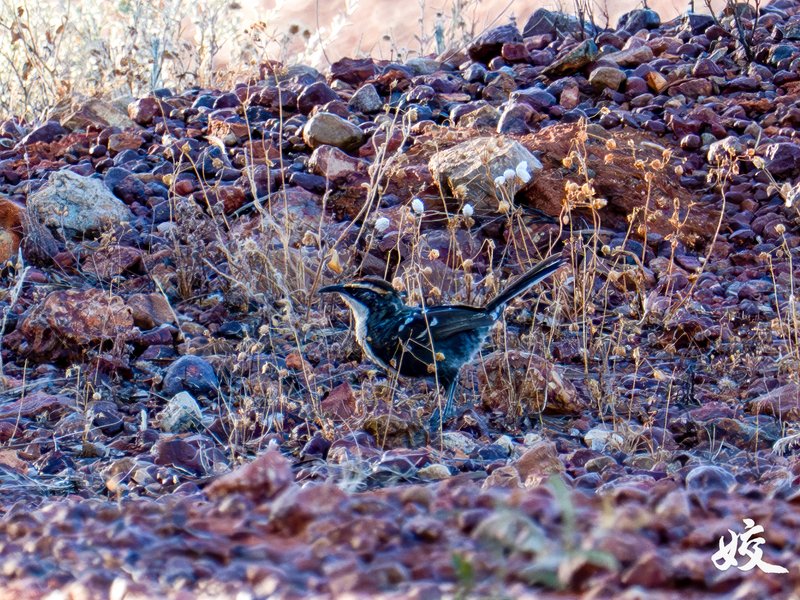
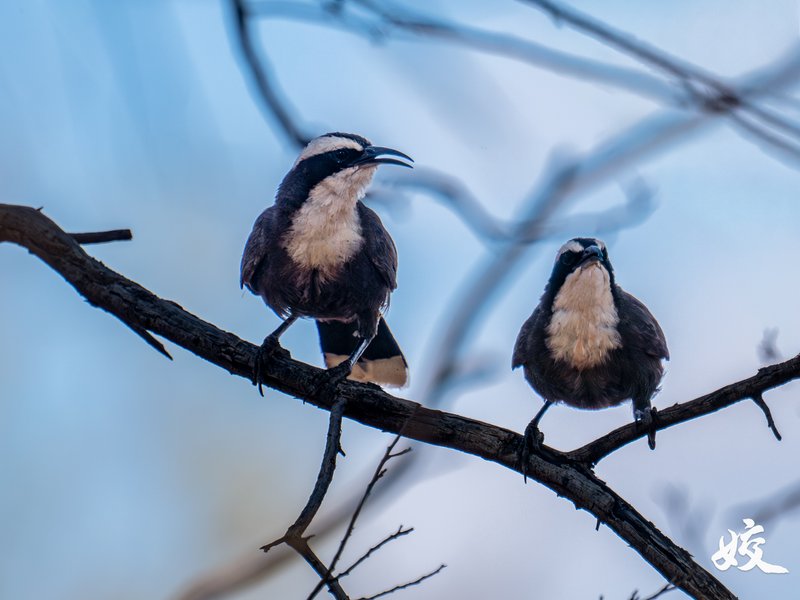
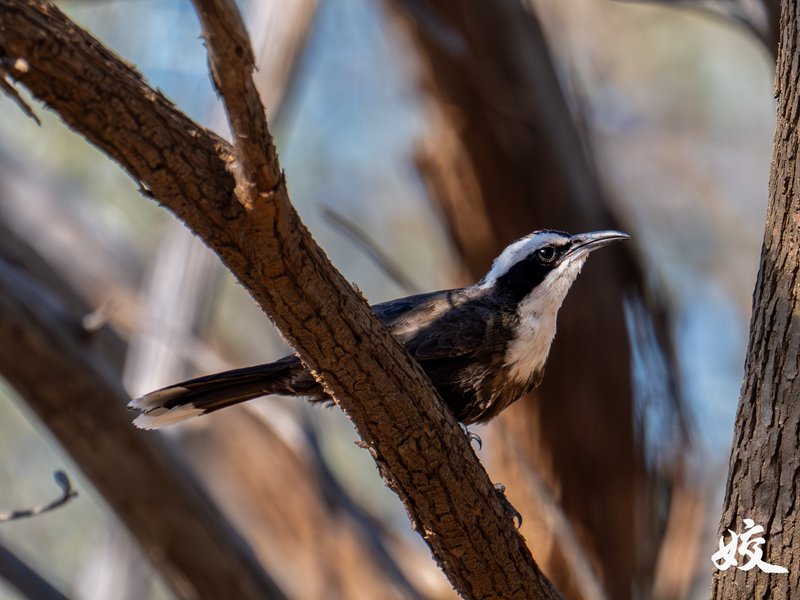
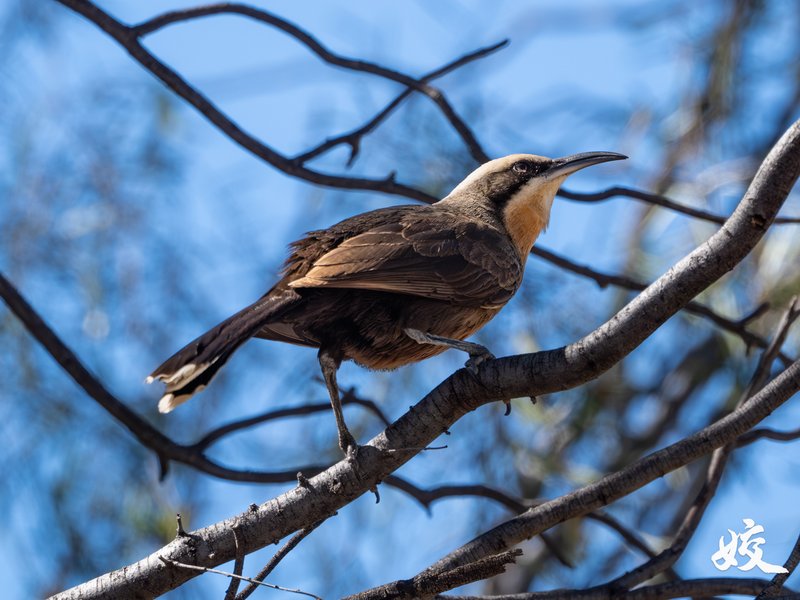
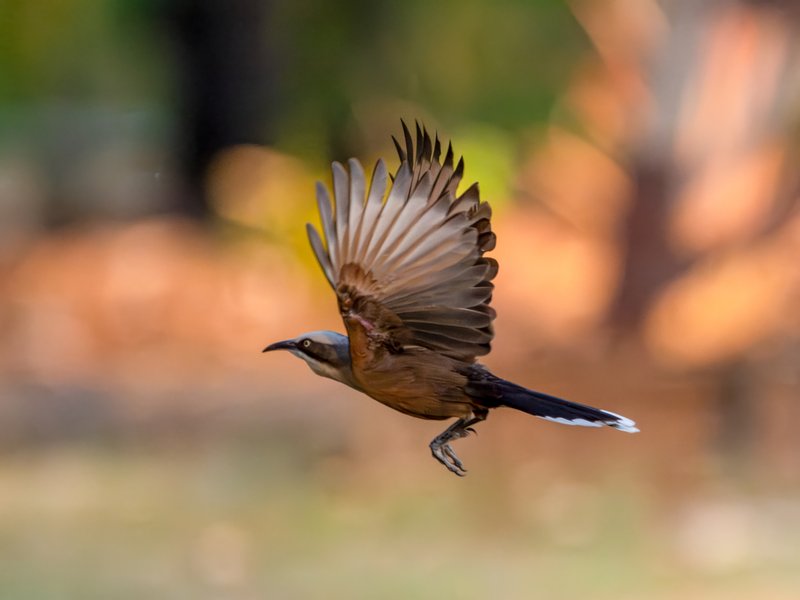
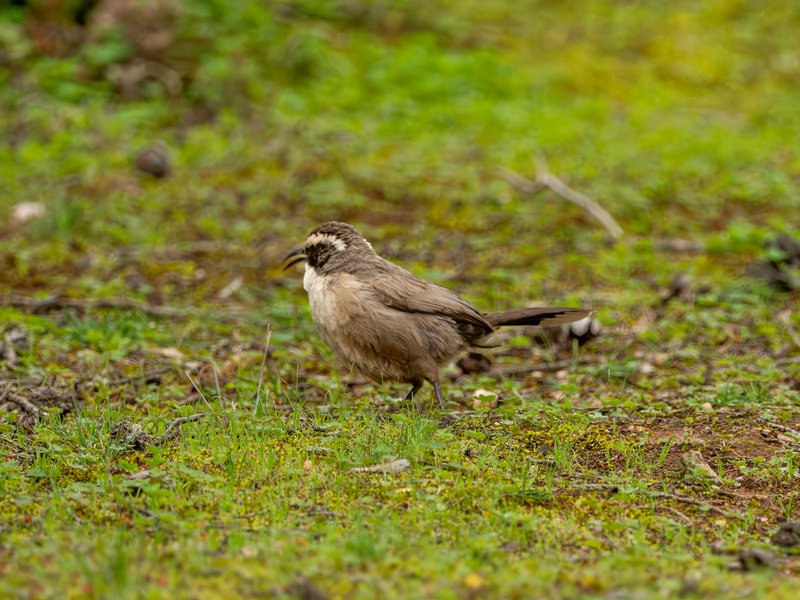
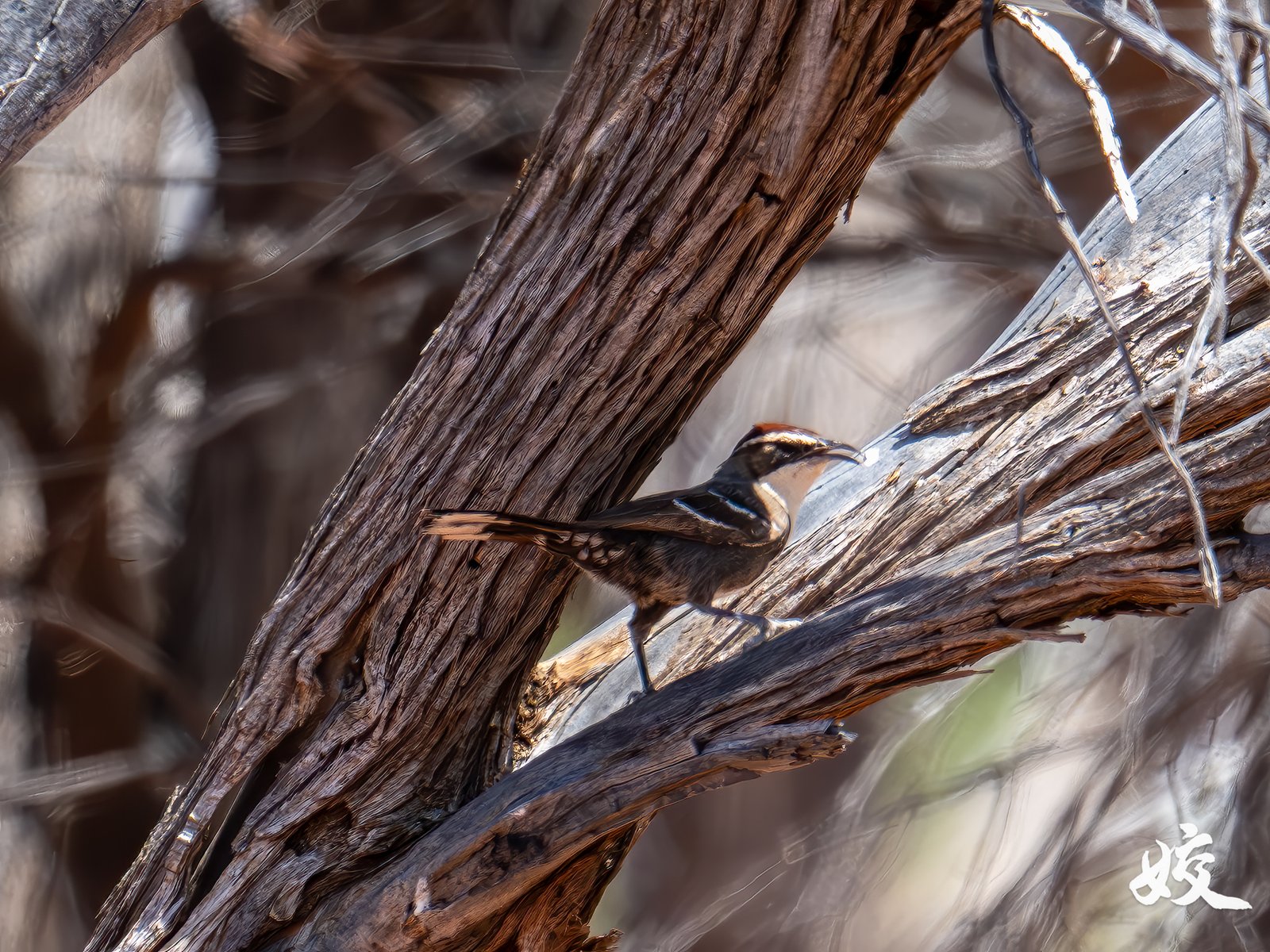
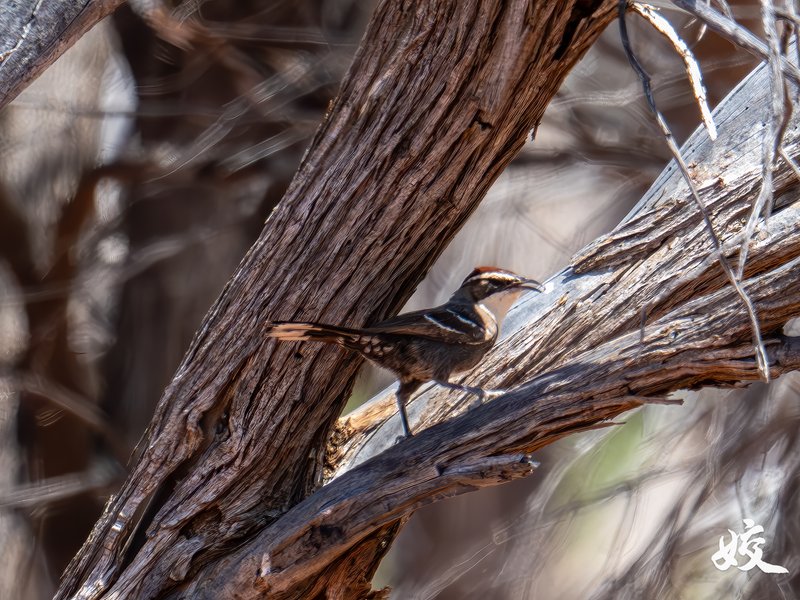
英文名:Chestnut-crowned Babbler(学名:Pomatostomus ruficeps),是雀形目弯嘴鹛科的鸟类。21–23厘米。注意深色眼睛、长条白眉环绕的栗色头顶;双道白色翼带;喉/胸部的白色比 White-browed 更窄,被深色胸侧所包围。注意具白色羽端的尾下覆羽。飞行时展现出两道精细弯曲的白色翼带。多见于12–15只的松散小群中;经常使用特定树木、灌木基部周围的“游玩”场地。害羞。
Chestnut-crowned Babbler
21-23 cm. Note dark eye, chestnut crown bordered by long white eyebrows; double white wingbar; white of throat/breast narrower than White-browed, bordered by dark sides of breast. Note white-tipped undertail-coverts. In flight, shows two fine, curved white wingbars. Mostly seen in loose companies of 12-15; regularly uses 'play' areas around base of particular trees, shrubs. Shy.
- Similar Species
- White-browed Babbler.
- Voice
- 'we-chee chee chee'; strident, irregular but melodious territorial song from top of tall shrub or tree, like piping of Little Eagle. Approached, flocks utter loud 'chack-a-chack'.
- Habitat
- drier inland scrubs/woodlands: mallee, mulga, other acacias; cypress pine, belar; on stony ground, sandhills; lignum, Old Man saltbush, samphire; mallee-fringed roadsides.
- Breeding
- June-Oct.
- Nest
- larger, often higher than White-browed.
- Eggs
- 3-5; like White-browed.
- Range & Status
- se. inland Aust.: from sw. Q n. to Windorah, e. to Mitchell-Dirranbandi; w. NSW, e. to Lightning Ridge-Nyngan-Condobolin-Moulamein; far nw. Vic., e. to c. Swan Hill with isolated population at Terrick Terrick NP; e. SA, s. to c. Swan Reach; w. to Quorn-w. of Flinders Ras.-Marree-e. of L. Eyre to c. Innamincka. Scarce to locally common. Sedentary.