Emu
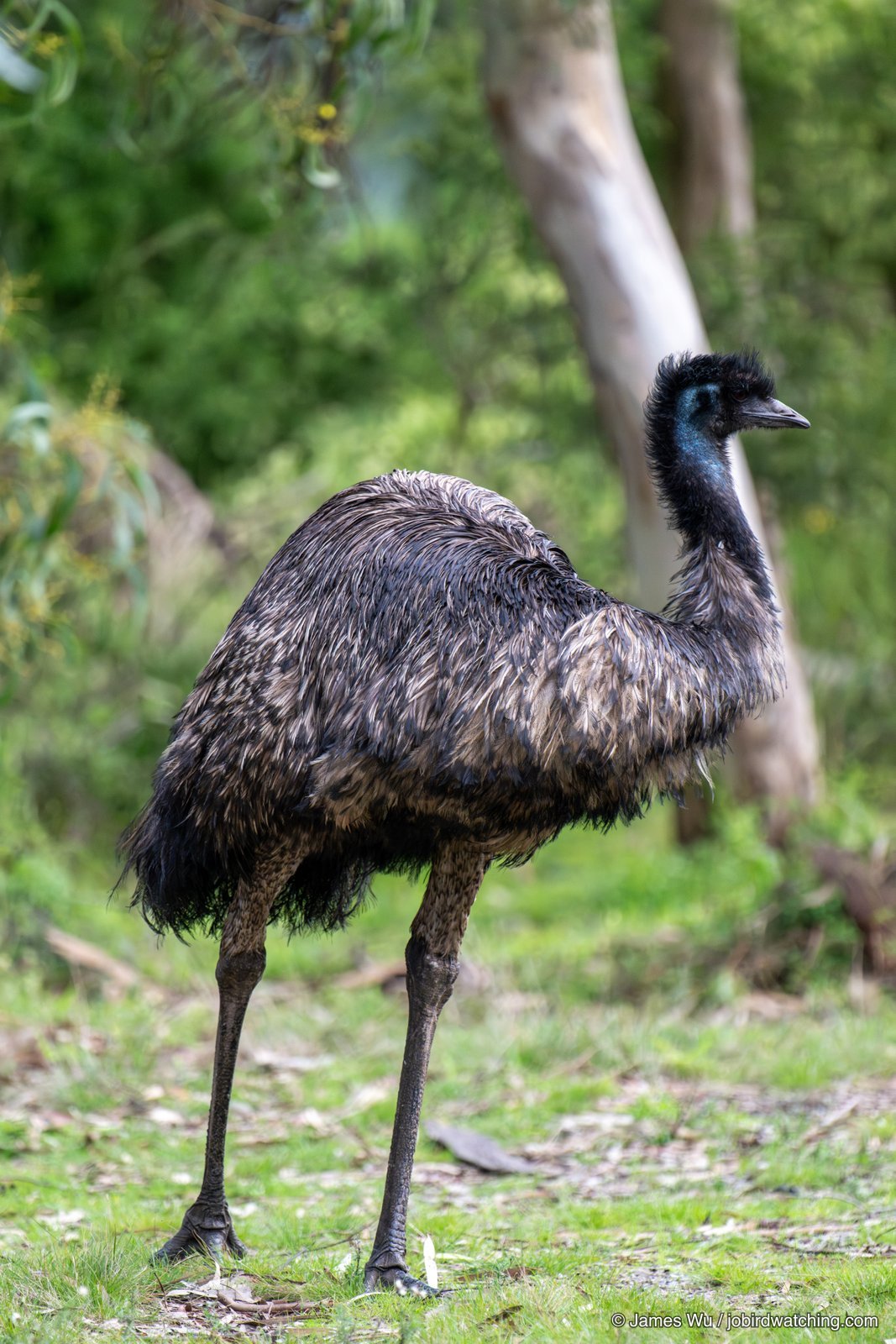
Emu(学名:Dromaius novaehollandiae),是鹤鸵目鹤鸵科鸸鹋属的鸟类。为鸸鹋属唯一现存物种。澳大利亚最大的本土鸟类,仅次于非洲鸵鸟,成为世界上第二高的鸟类。鸸鹋分布广泛,覆盖澳大利亚大陆的大部分地区。雌鸟通常比雄鸟略大,身高可达1.9米,体重介于30至55千克之间。拥有柔软的棕色羽毛,长颈长腿,能够在开阔地带形成松散的群体。鸸鹋的叫声独特,雌鸟在繁殖季节会发出响亮的‘鼓声’。
Emu
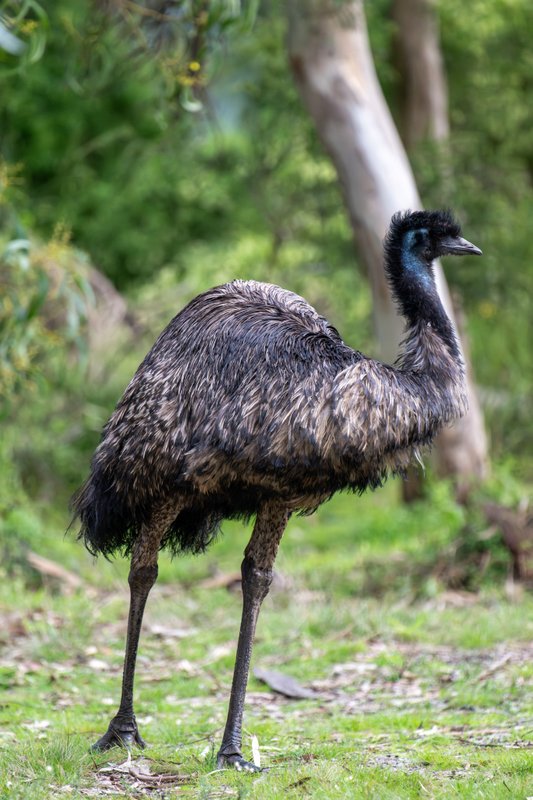
1.5-2 m. Female slightly larger. Our largest native bird: plumage loose, each feather divided, pale grey-brown to almost black; bare skin of head and neck whitish to blue, darkest in female in breeding condition; eye yellow, grey-brown or reddish; legs dark grey. Birds of se. race novaehollandiae have collar of pale, creamy feathers when breeding. Races in w. Aust. darker; in n., paler. Juvenile: to 2-3 months, greyish to buff with spotted crown, bold black or brown body stripes. Immature: head and neck feathered blackish; body plumage darker and patterned; matures at 18-24 months. Pairs to loose feeding companies of dozens; hundreds where food plentiful. Shy but curious; runs with bouncy flounces, up to 50 km/h in short bursts; swims well.
- Similar Species
- Ostrich.
- Voice
- male: deep growling grunts; female: sequences of up to 10-12, single or double, loud thudding drummings; young: whistling peeps.
- Habitat
- plains, scrublands, open woodlands, coastal heaths, alpine pastures, semi-deserts, margins of lakes; pastoral and cereal-growing areas.
- Breeding
- April-Oct.
- Eggs
- 5-11; large, dark green, granulated; laid on scanty collection of leaves, grass, bark or sticks. Male alone broods, escorts family around a large home range for up to 18 months.
- Range & Status
- Aust. mainland, now mostly absent from closely settled parts. Common in pastoral and cropping regions; state forests, national parks. Migratory in s. WA, with coastwards movement in spring, after breeding. Tas. race diemenensis, as well as King I. Emu, D. ater, and Kangaroo I. Emu, D. baudinianus, became extinct in 19th century as result of European settlement.