Rufous Shrikethrush
OccasionalGBIF 16.9·Dongniao Rarity Index8.33
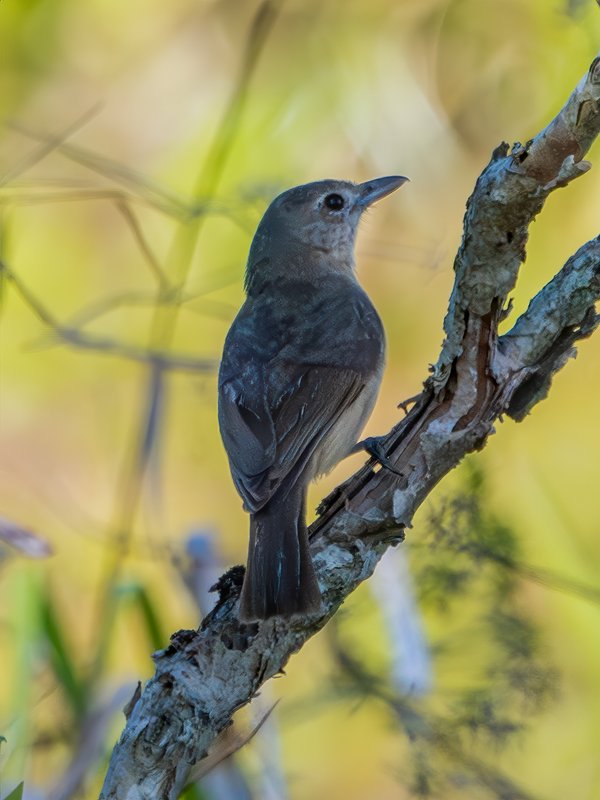
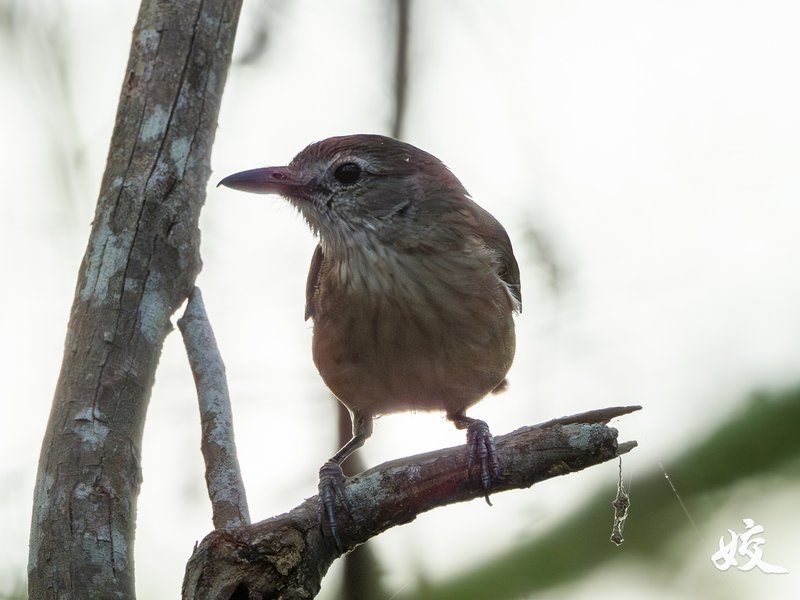
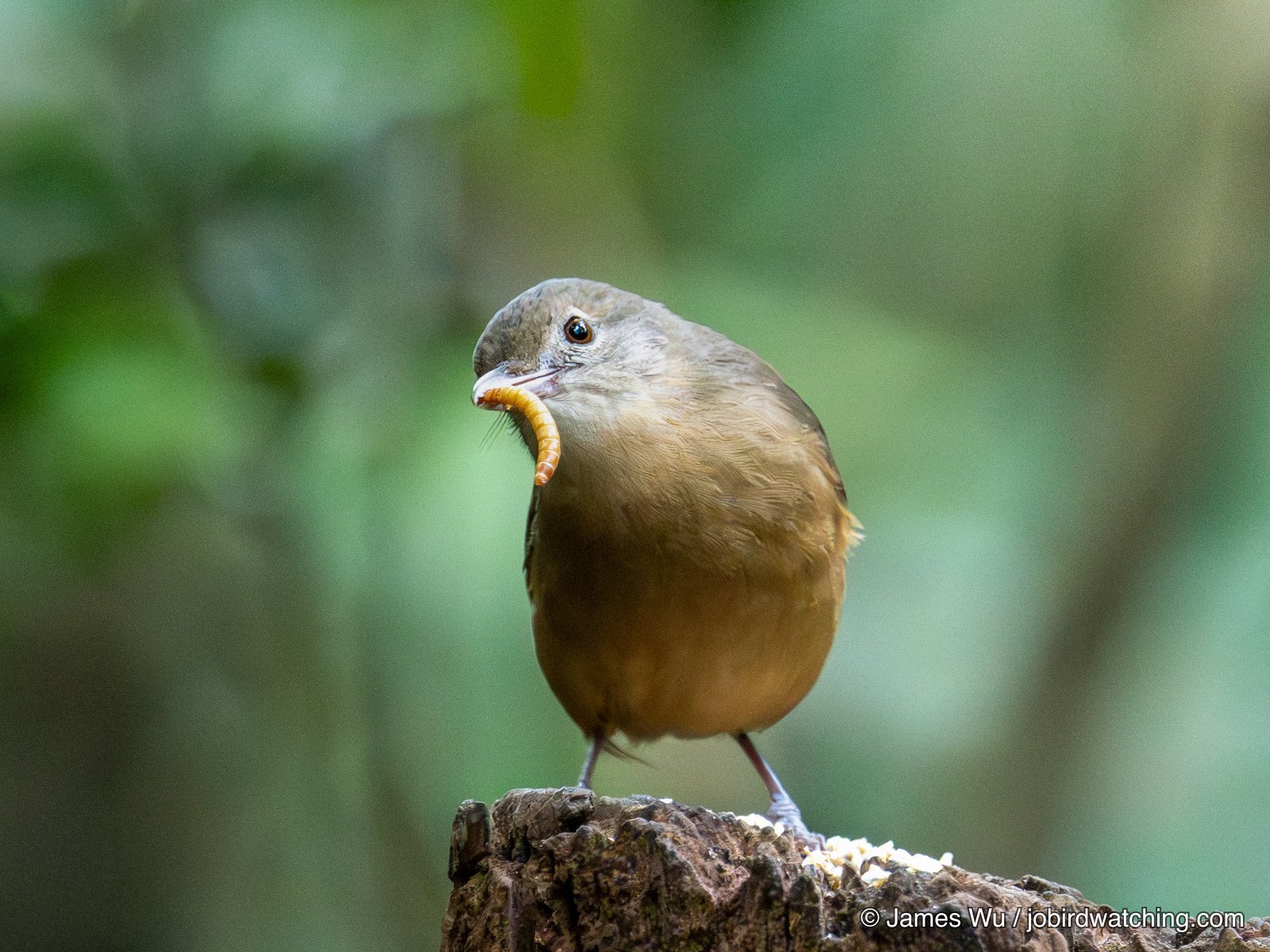
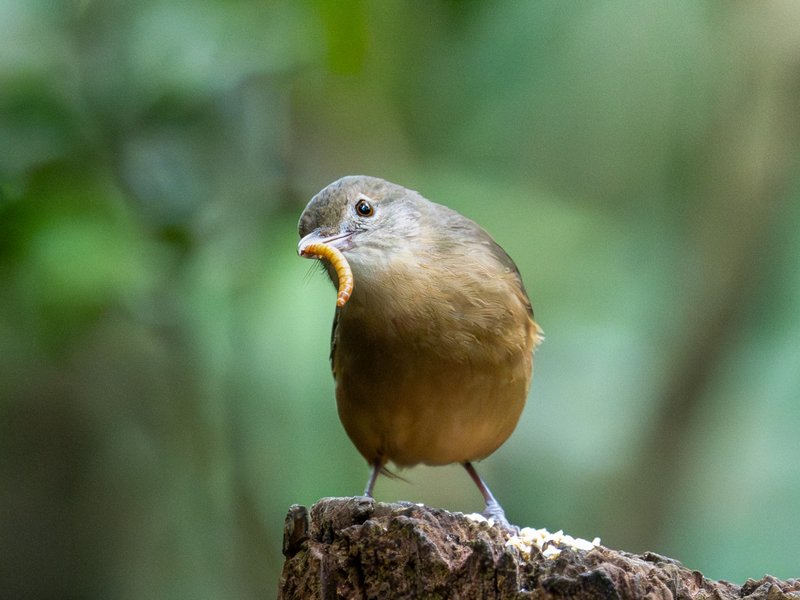
Rufous Shrikethrush (Colluricincla rufogaster) 澳洲棕鵙鹟,是雀形目啸鹟科鵙鹟属的鸟类。但遗传研究揭示其具有高遗传分化,暗示存在多个隐秘物种。在新几内亚和澳大利亚东北部广泛分布,以丰富的鸣唱和独特的觅食行为著称。
Rufous Shrikethrush
Two species recently separated:
Colluricincla rufogaster.
Colluricincla megarhyncha.
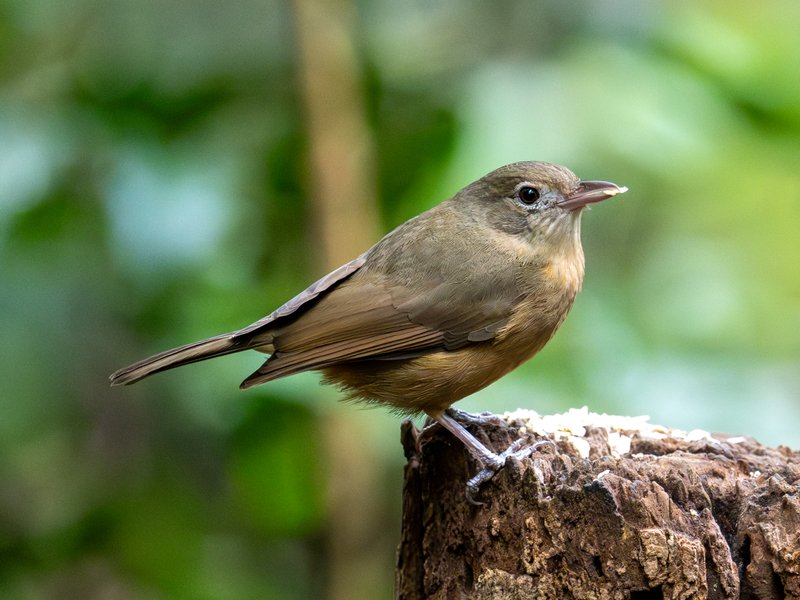
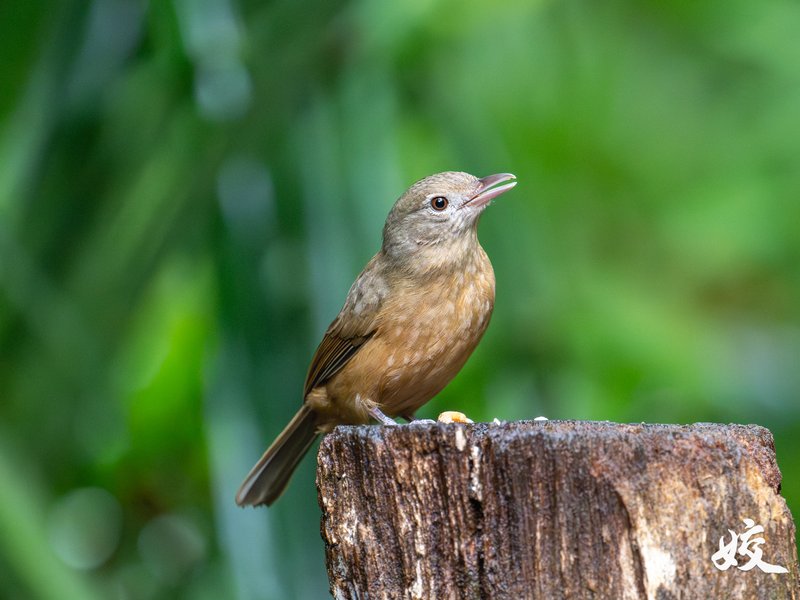
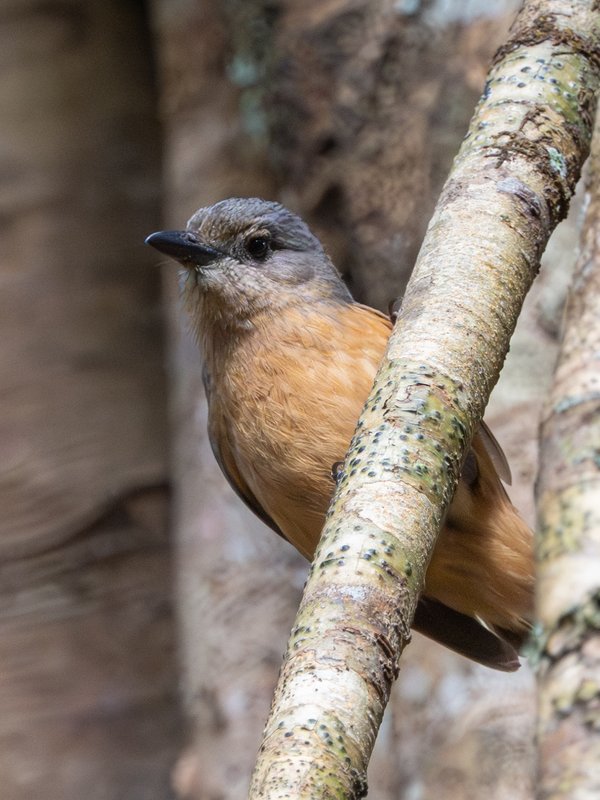
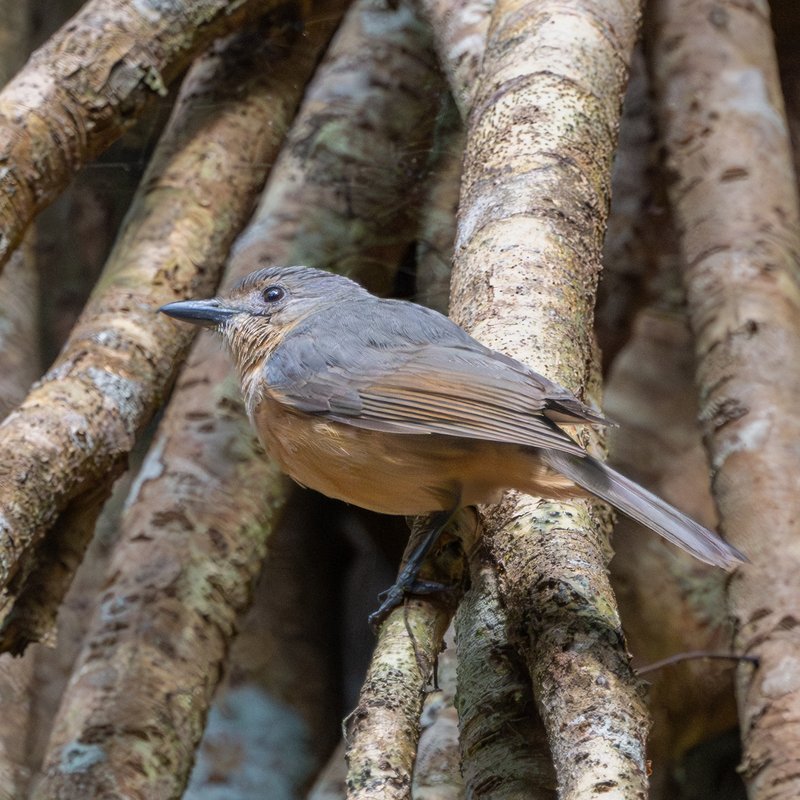
17-19 cm. Small, large-billed shrike-thrush: bill silvery brown above, pinkish on sides. Upperparts olive-grey-brown, crown/nape greyer; throat whitish; underparts rufous-buff, with fine dark streaks; legs pink-brown. Birds in ne. Q more cinnamon-rufous: in Top End (NT) to w. Kimberley (WA) bill blackish; eyebrow pale; face/throat whitish; underparts pale rufous. Singles, pairs: forages on tree-trunks; tangles of vines/leaves; located by calls, rustling bark.
- Other name
- Little Shrike-thrush.
- Voice
- deep 'shee-ee, wot wot wot'; or 'wot, wot, shee?'; 'eeee, butch-butch-butcher'; in alarm, loud, sparrow-like 'charip', harsh wheezes.
- Habitat
- rainforest (mostly lowland in ne. NSW-se. Q); watercourse vegetation; paperbarks; coastal open forest; mangroves, lantana thickets.
- Breeding
- Sept.-March.
- Nest
- deep cup of plant fibre, leaves, rootlets, stems, spiders' web; in fork, vine tangle, low to 10 m.
- Eggs
- 2-3; pearly white/pale pink; spotted, blotched brown, with underlying lilac.
- Range & Status
- coastal e. and n. Aust., from c. Nambucca Heads-Coutts Crossing (NSW) to w. coast, C. York Pen. (Q). Mangroves of sw. Gulf (NT); Top End to w. Kimberley (WA). Common. Sedentary.
- Distribution key to races
- 1. Colluricincla parvula