Pied Oystercatcher
OccasionalGBIF 10.9·Dongniao Rarity Index8.56
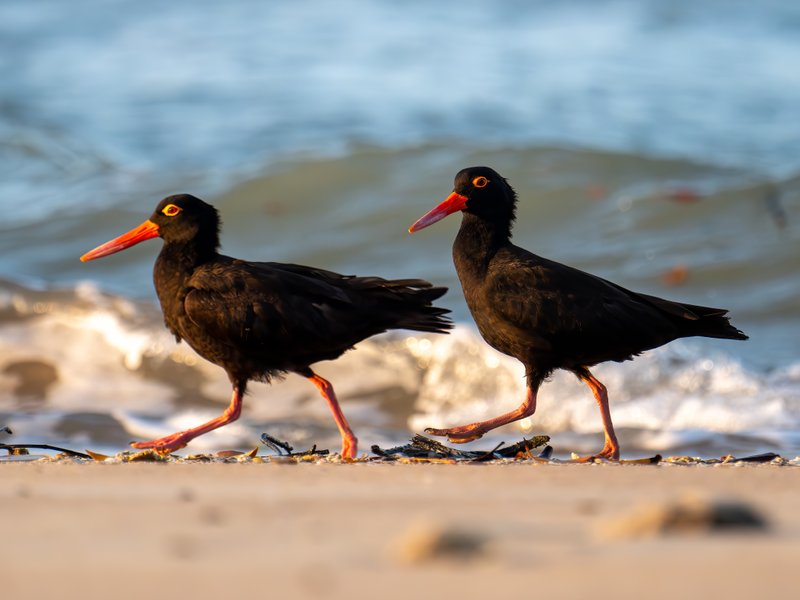
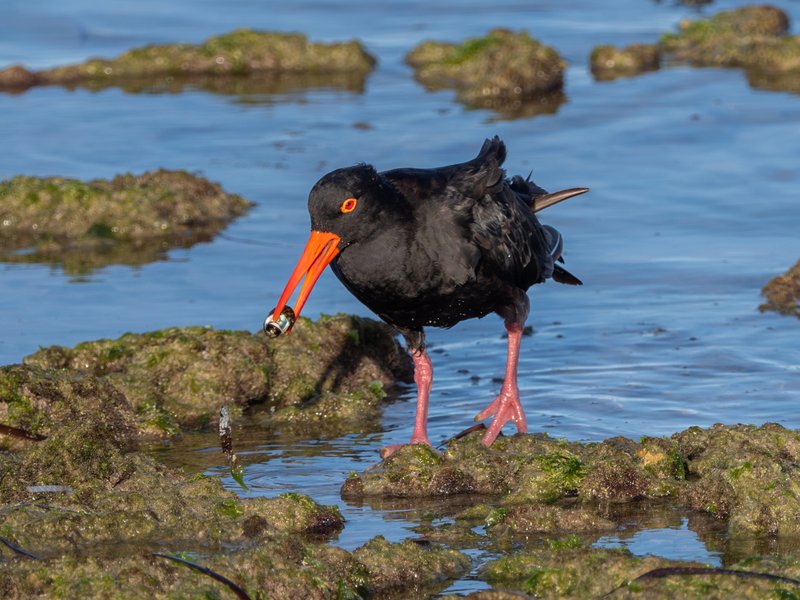
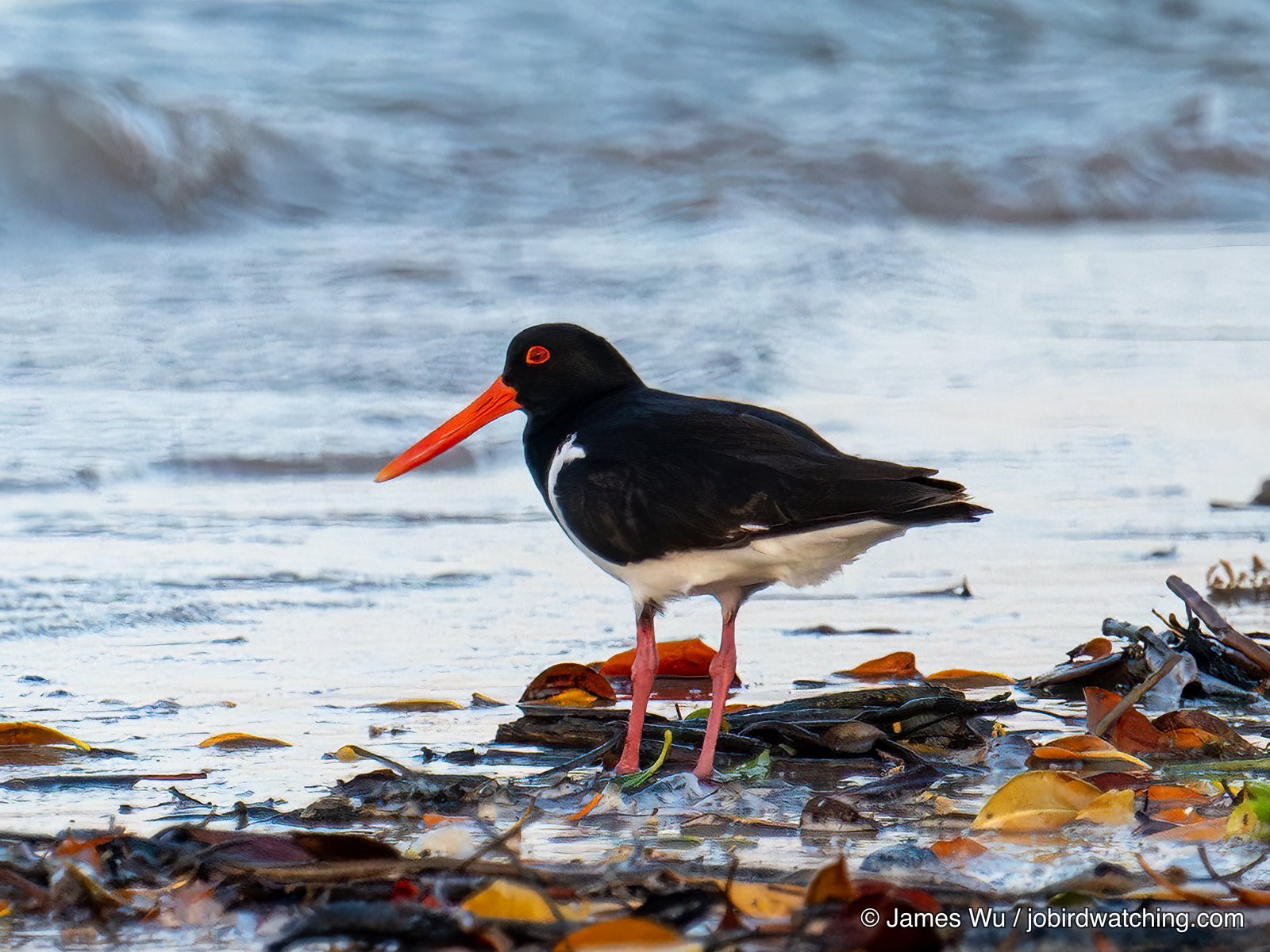
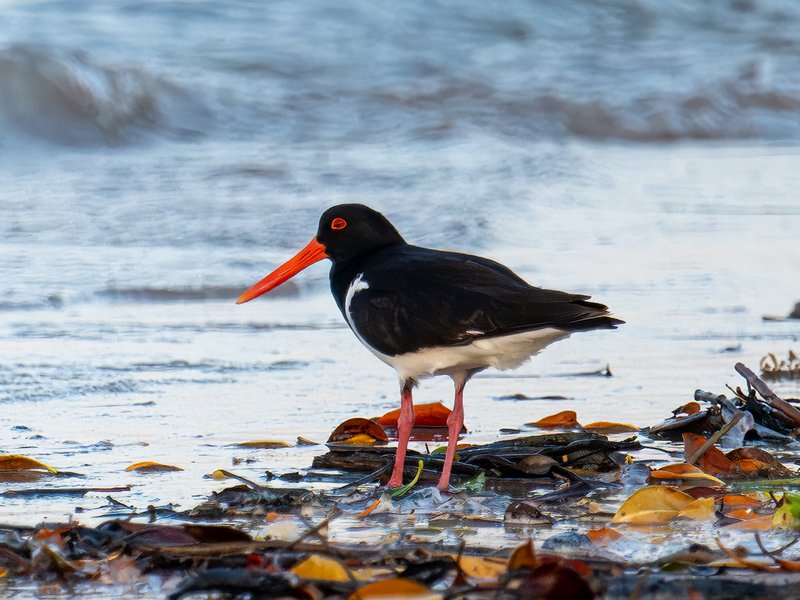
英文名:Pied Oystercatcher(学名:Haematopus longirostris),是鸻形目蛎鹬科蛎鹬属的大型健壮涉禽。常见于澳大利亚海岸,以其独特的黑白羽毛和长而强壮的橙红色喙著称。分布于小巽他群岛沿海远东部、Tanimbar和印尼卡伊群岛(印尼摩鹿加群岛东南部)、澳大利亚沿海及塔斯马尼亚州。
Pied Oystercatcher
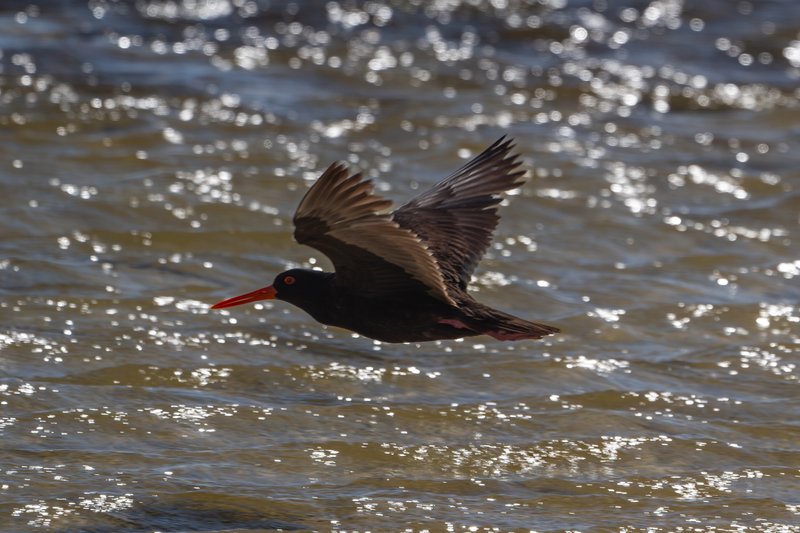
42-51 cm. Sturdy conspicuous wader; black with sharply cut-off white belly and rump; straight scarlet bill; red legs. In flight, note broad, short, angled white wingbar, white rump and belly. Juvenile: bill dusky; feathers of upperparts with brownish edges; legs paler. Singles, pairs, autumn and winter flocks: wary, usually well away from cover; indulges in noisy aerial chases. Known to fishermen on n. NSW and Q coasts from habit of opening bivalves wedged in wet sand. Lures intruders from nest with injury-feigning distraction display. Often active at night.
- Other name
- Eugerie-bird; Redbill; Seapie; Wongbird, Pied Oystercatcher
- Similar Species
- South Island Oystercatcher.
- Voice
- brisk, ringing 'peepapeep, peepapeep' or 'kleep, kleep', usually in flight; musical tittering and piping in courtship.
- Habitat
- undisturbed sandy, shellgrit or pebble beaches; sandspits and sandbars, tidal mudflats and estuaries, coastal islands. Occasionally rocky reefs, shores, rock stacks; brackish or saline wetlands. Also grassy paddocks, golf courses or parks near coast; probes for worms in wet short grass.
- Breeding
- Aug.-Jan.
- Eggs
- 2-3; stone-grey, spotted black-brown with grey underlining marks; laid in shallow scrape in sand on open beach or among low growth behind beach.
- Range & Status
- suitable habitat on coasts and islands of Aust. and Tas.; more common in s. Aust. than in n. Vagrant inland, Norfolk I. and Lord Howe I. Common: sedentary and dispersive. Closely related forms from Old World to PNG and NZ.