Wompoo Fruit Dove
OccasionalGBIF 22.7·Dongniao Rarity Index8.55
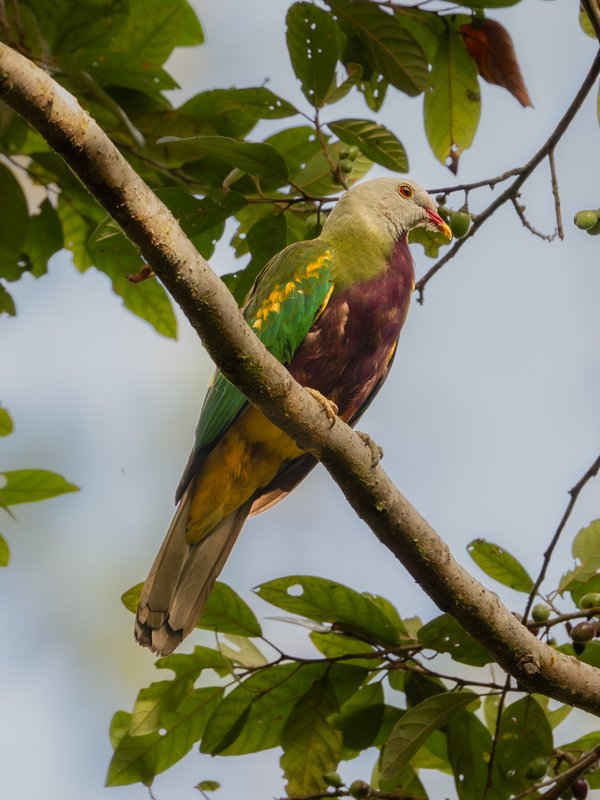
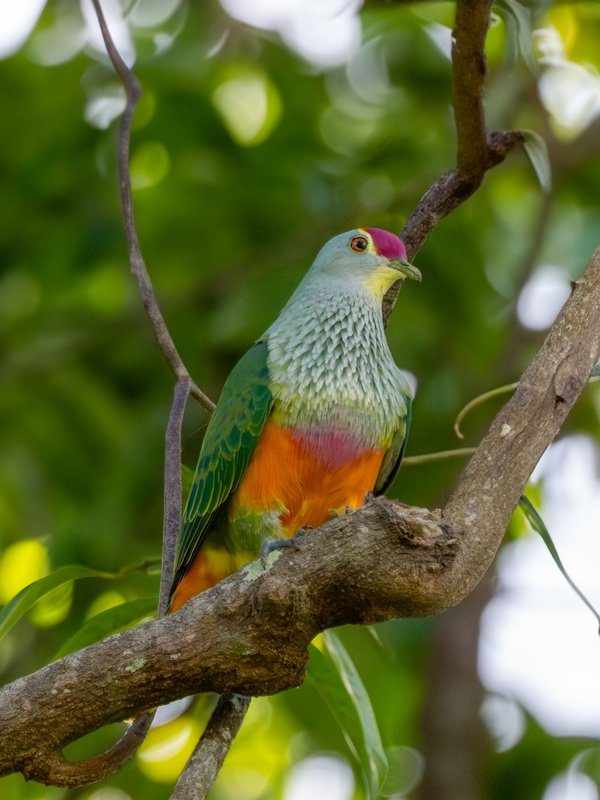
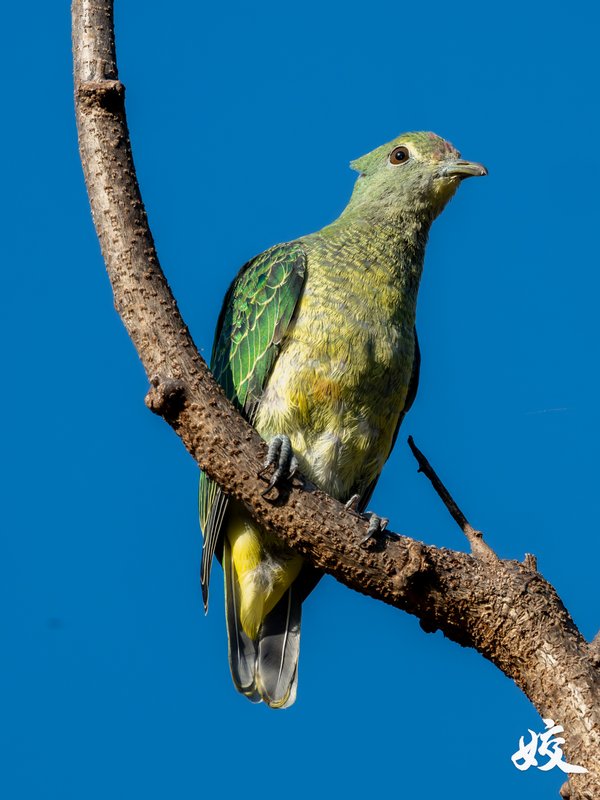
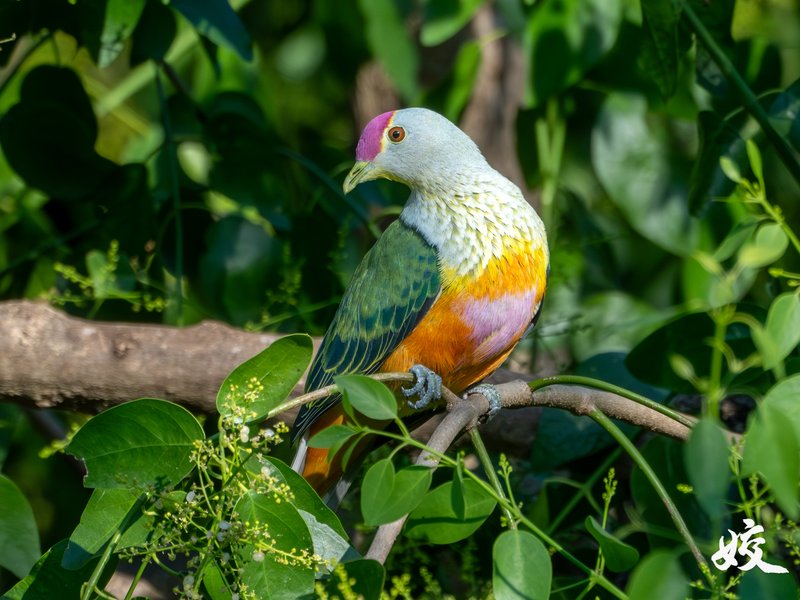
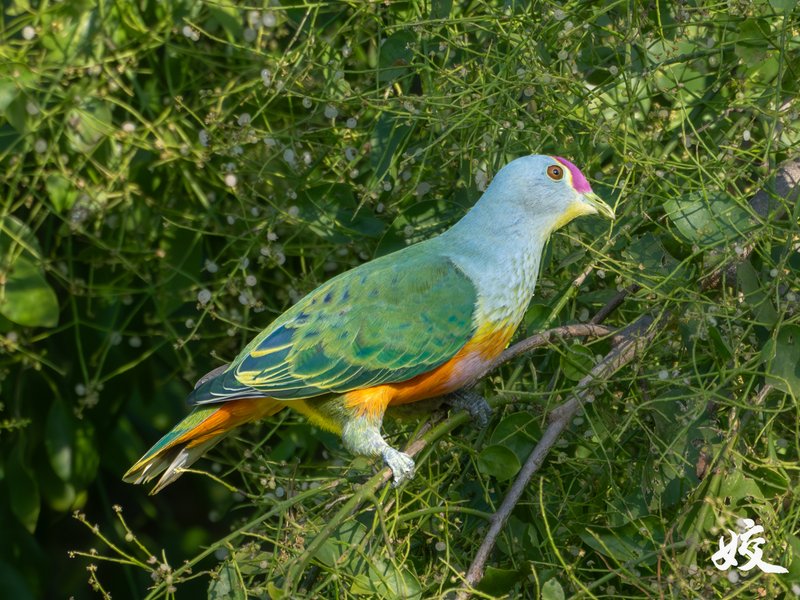
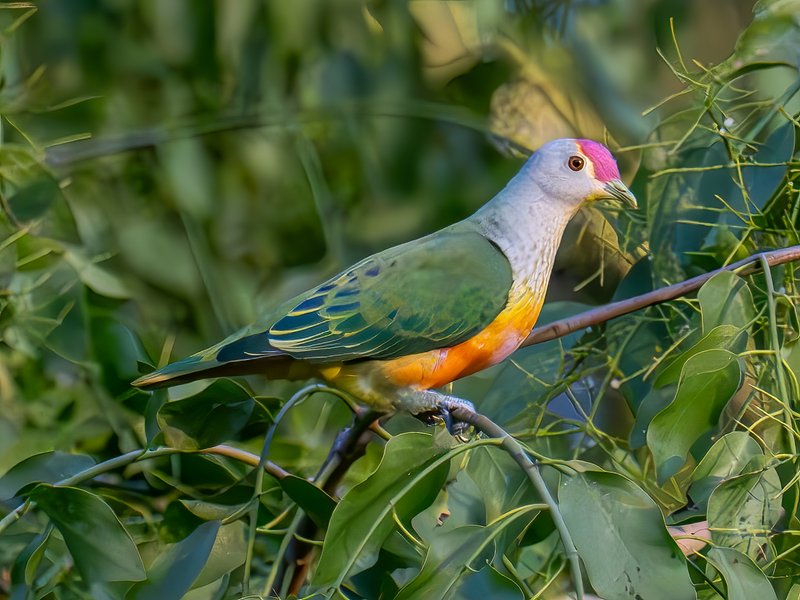
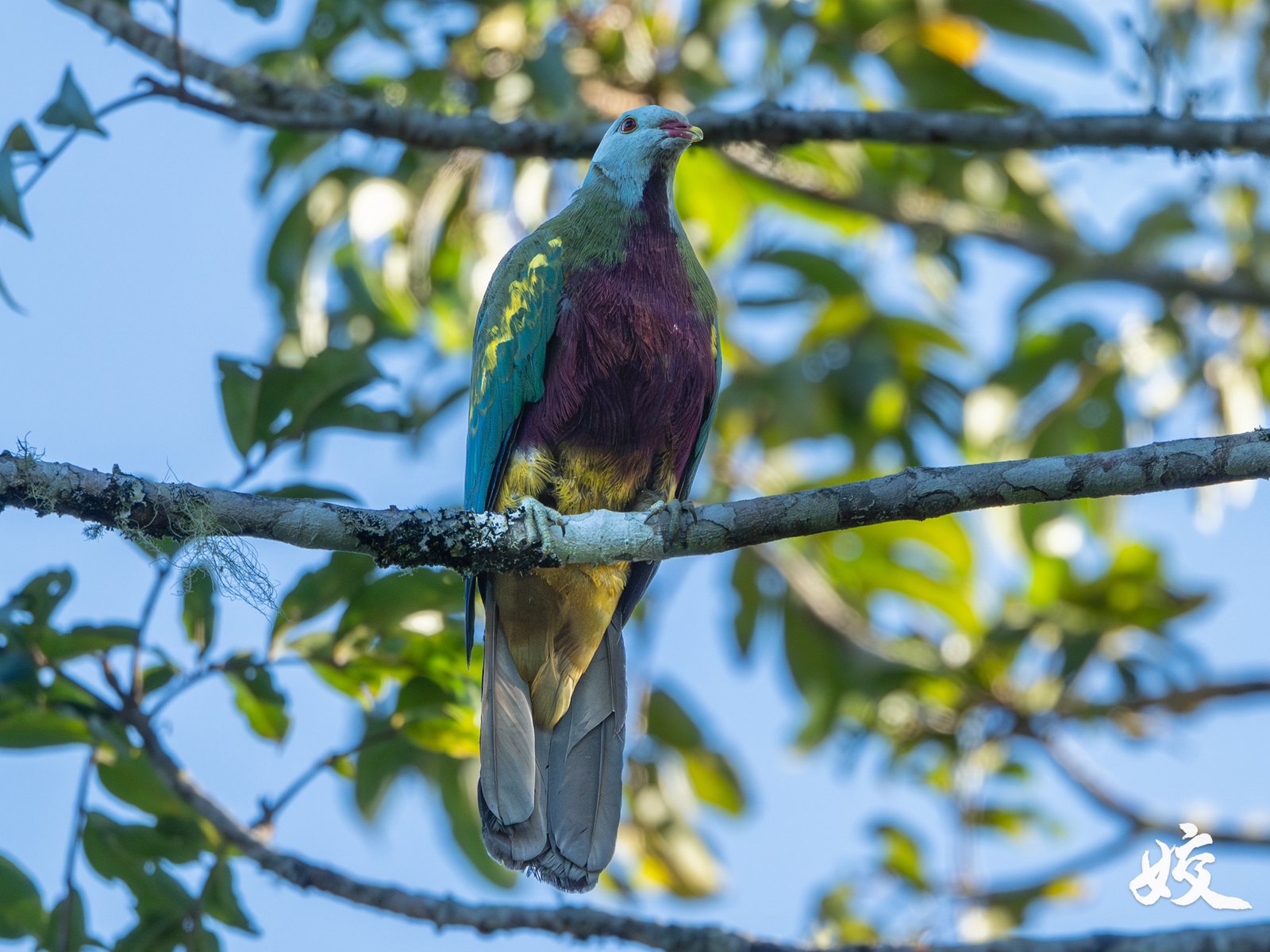
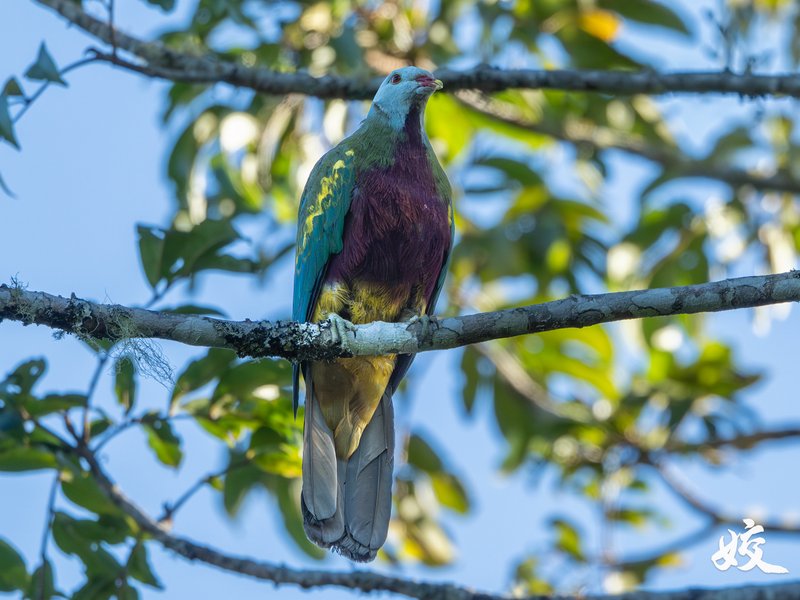
英文名:Wompoo Fruit Dove(学名:Ptilinopus magnificus),是鸽形目鸠鸽科的鸟类。35–50 厘米。华丽的大型鸠,常隐没于枝叶间,直至移动才可见:头和颈灰色;上体绿色,翼覆羽上具一道弯曲的黄色线纹;胸部梅紫色–紫色,与浓郁的黄色下体截然分界;尾上面绿色,下面灰色。单只至结群出现在成熟的果实旁:在树冠高处或低处取食,常先因鸣声或落果而被发现。飞行迅速、直接,可见黄色翼下覆羽。
Wompoo Fruit Dove
35–50 cm.Magnificent big pigeon, often hard to see in foliage until it moves: head and neck grey; upperparts green, with curving yellow line across wing coverts; breast plum–purple, cut off by rich yellow underparts; tail green above, grey below. Singles to companies at ripening fruit: feeds high in canopy or low, often first revealed by call or falling fruit. Flight swift, direct, exposing yellow wing linings.
- Other Names
- Bubbly Jock, or Mary; Green or King Pigeon; Magnificent Fruit-Dove; Wompoo Fruit-Pigeon or Pigeon.
- Voice
- typical phrase is a deep, gruff, bubbling ‘wollack-a-woo’, ‘bok-bok-oo’, or quieter ‘wompoo’. (Rudely paraphrased, ‘bollocks are blue’.) Shorter sharp ‘pack pack’ sounds when feeding.
- Habitat
- rainforests, monsoon forests; adjacent eucalypt forest; fruiting trees on scrubby creeks or in open country.
- Breeding
- Oct.–Feb.
- Nest
- very flimsy; usually on slim, leafy, horizontal branch, Acacia, or palm frond, 2–10 m high in thick scrub, often over stream.
- Eggs
- 1; largish, white, often visible through nest.
- Range & Status
- coastal e. Aust. and forested coastal islands: resident from C. York (Q) to c. Manning R. region (NSW), summer visitor to rainforests of Hunter R. region, vagrant s. to Sydney; formerly regular, perhaps resident in Illawarra; mostly on and e. of Divide. Races in ne. Q and PNG smaller. Fairly common in Q, scarcer in NSW. Sedentary, with nomadic feeding movements. Also PNG, adjacent islands; crosses Torres Strait irregularly.
- Distribution key to races
- 1. Ptilinopus magnificus magnificus 2. Ptilinopus magnificus assimilis 3. Ptilinopus magnificus keri