Glossy Ibis
CommonGBIF 2.8·Dongniao Rarity Index5.54
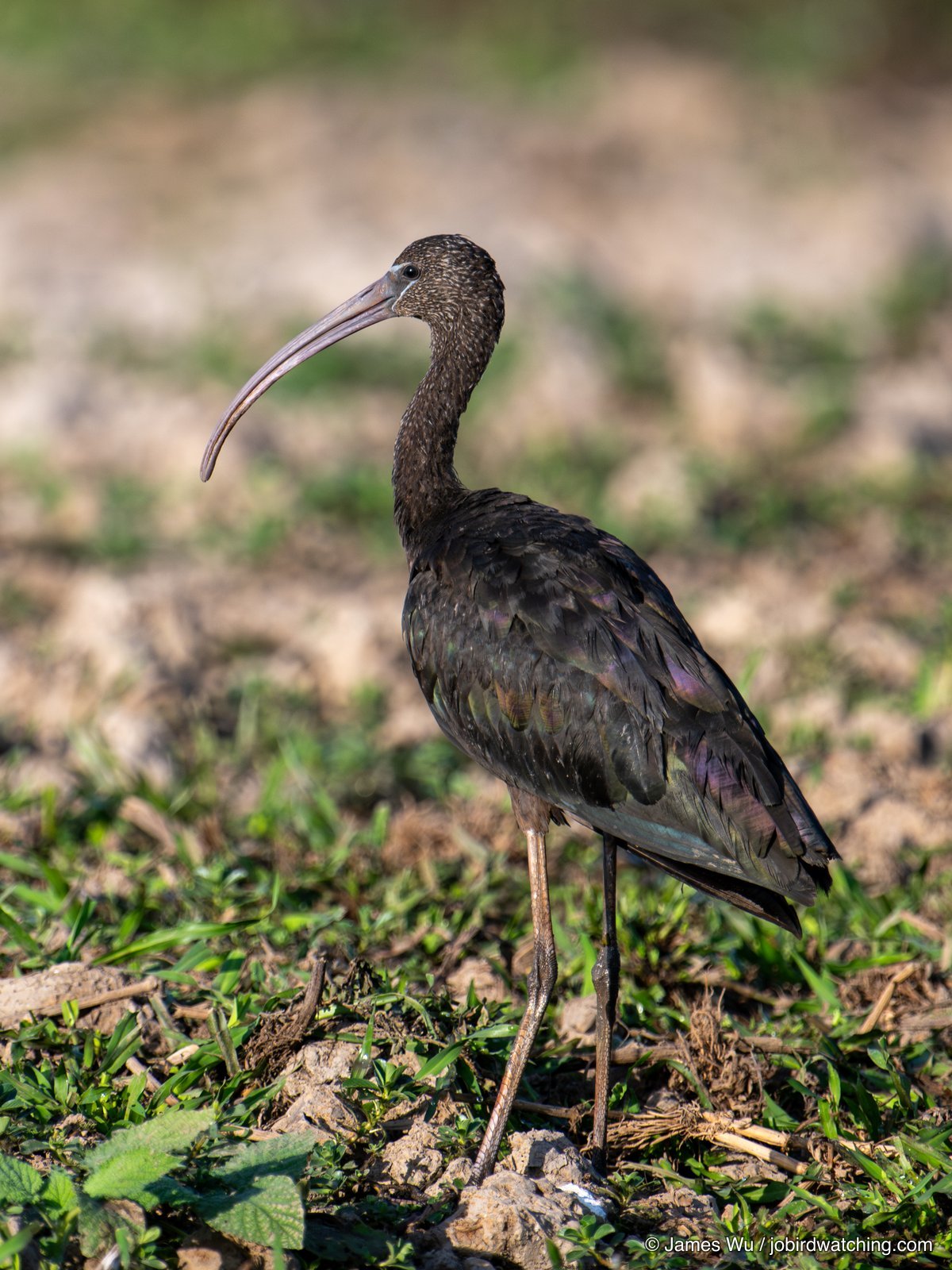
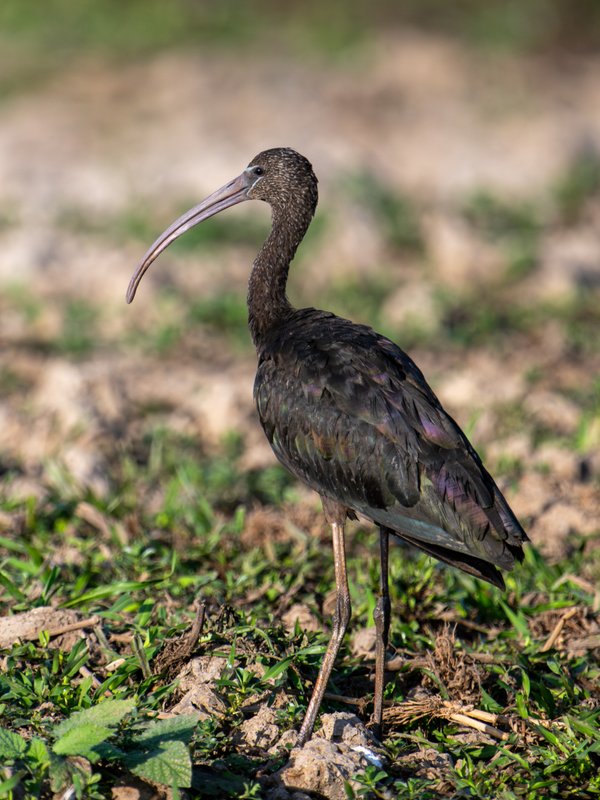
英文名:Glossy Ibis(学名:Plegadis falcinellus),是鹈形目鹮科彩鹮属的鸟类。以其弯曲的长喙著称,被称为'黑鹬'。其羽毛在良好光照下呈现出金属铜绿色调。彩鹮广泛分布于全球温暖地带,包括中南美洲、大安的列斯群岛、南欧、非洲、亚洲、印度和澳大利亚。在北美洲,主要分布在东部地区,从新不伦瑞克省至佛罗里达州和路易斯安那州,而在西部则被白脸彩鹮替代。彩鹮全年群居,繁殖于沿海湿地,但在非繁殖季节广泛分散。
Glossy Ibis
48-61 cm; span c. 90 cm. Small dark ibis: at a distance looks like a black curlew.
- Breeding
- rich purplish brown, glossed bronze or green; distinctive white line borders facial skin. Non-breeding: browner and duller; facial border less bold; head and neck streaked white. Juvenile: bill shorter, straighter; white mark on crown; plumage browner; pale mottlings on head and neck. Flocks of dozens to hundreds: feeds in shallow wetlands. Flies in long, swift, undulating lines, Vs, or bunches; often dashes about erratically, with sudden glides. Flocks can resemble Little Black Cormorants, but note drooping bills, necks and legs.
- Voice
- long, harsh, crow-like croak; grunts.
- Habitat
- well-vegetated wetlands, wet pastures, ricefields, floodwaters, floodplains; brackish or occasionally saline wetlands, mangroves, mudflats; occasionally dry grasslands.
- Breeding
- Oct.-Dec. in s. Aust.; Feb.-April in n.
- Nest
- shallow platform of leafy sticks; in colony (some very large) over water in trees (incl. mangroves), shrubs, cumbungi, lignum or reeds, trampled into platforms. Often with other waterbirds.
- Eggs
- 3-6; dull, deep green-blue.
- Range & Status
- n. and e. Aust., most numerous in n.; movements often erratic but fairly regular spring-summer breeding migrant to s. Murray-Darling region (NSW, Vic.) and adjacent se. SA. Most breeding occurs in this region, Macquarie Marshes (NSW) and in s. Q. Many apparently move n. in autumn, and range far inland after good rains. Non-breeding visitor to sw. WA and Tas. Migratory, nomadic and irruptive. Cosmopolitan; vagrant NZ.