Rufous Whistler
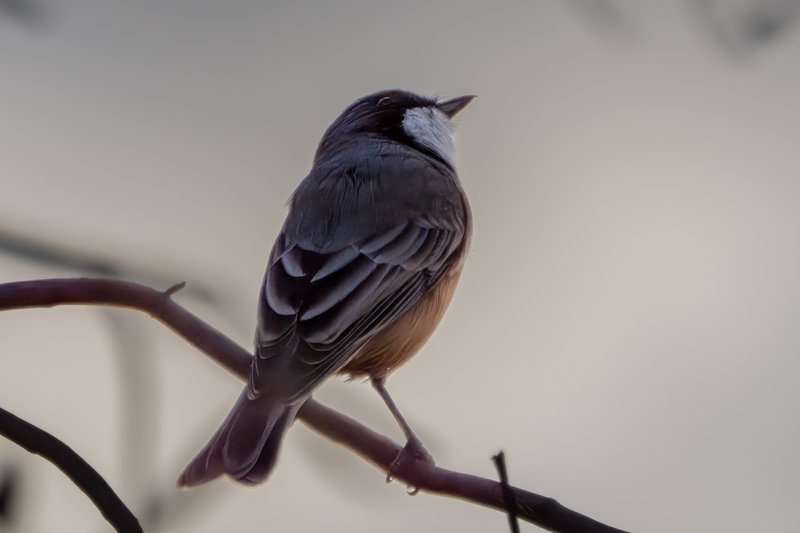
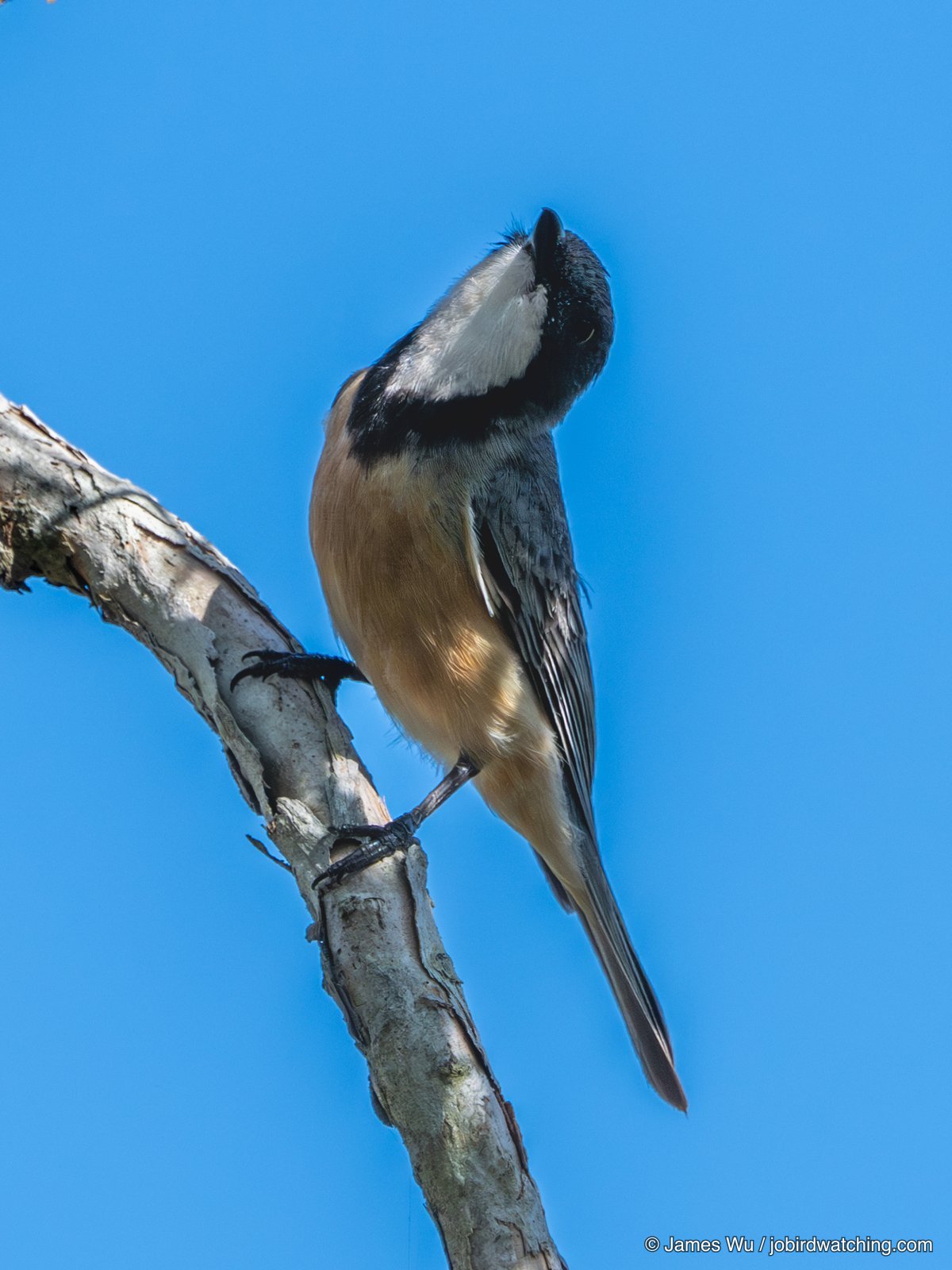
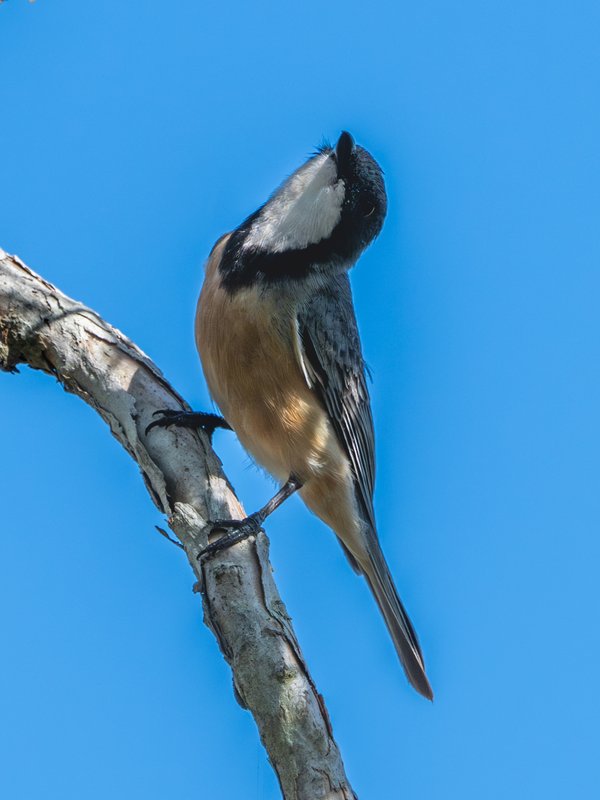
Rufous Whistler (Pachycephala rufiventris) 棕啸鹟,是雀形目啸鹟科啸鹟属的鸟类。典型的啸鹟科啸鹟属鸟类。拥有鲜明的红褐色腹部和灰色背部,雄鸟具有独特的黑色面罩和白色喉咙,雌鸟则呈现较为暗淡的灰褐色调。广泛分布于澳大利亚和新喀里多尼亚的森林、灌木丛生地带。
Rufous Whistler
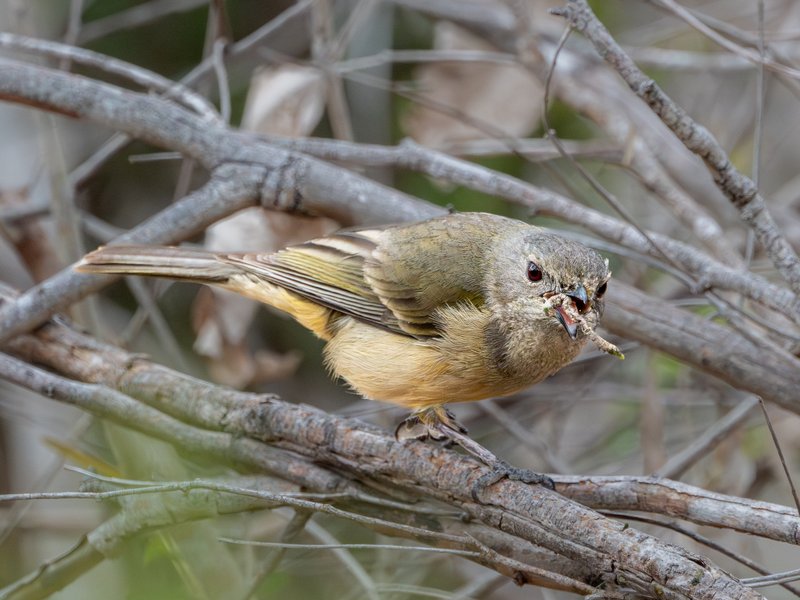
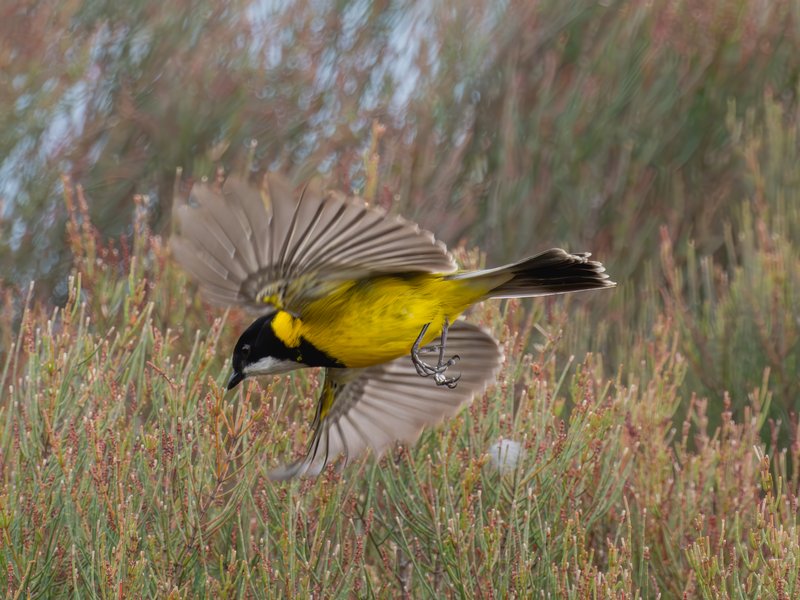
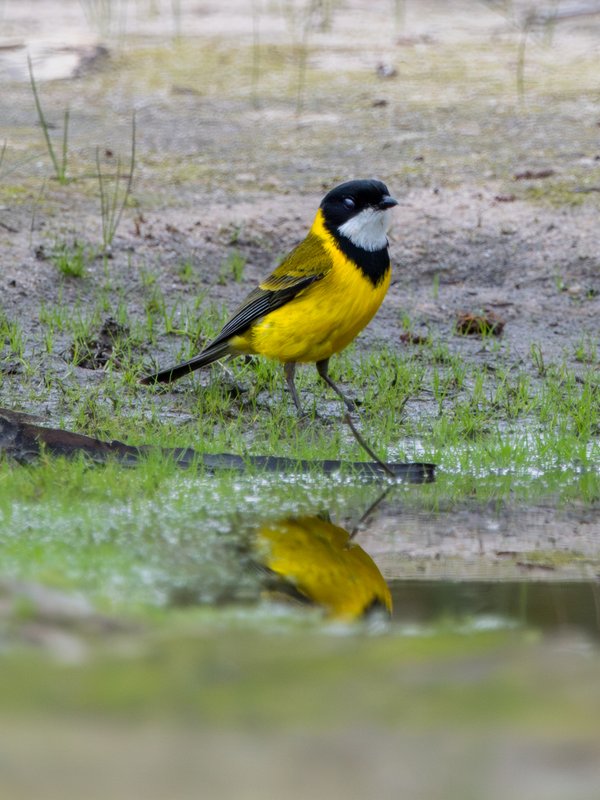
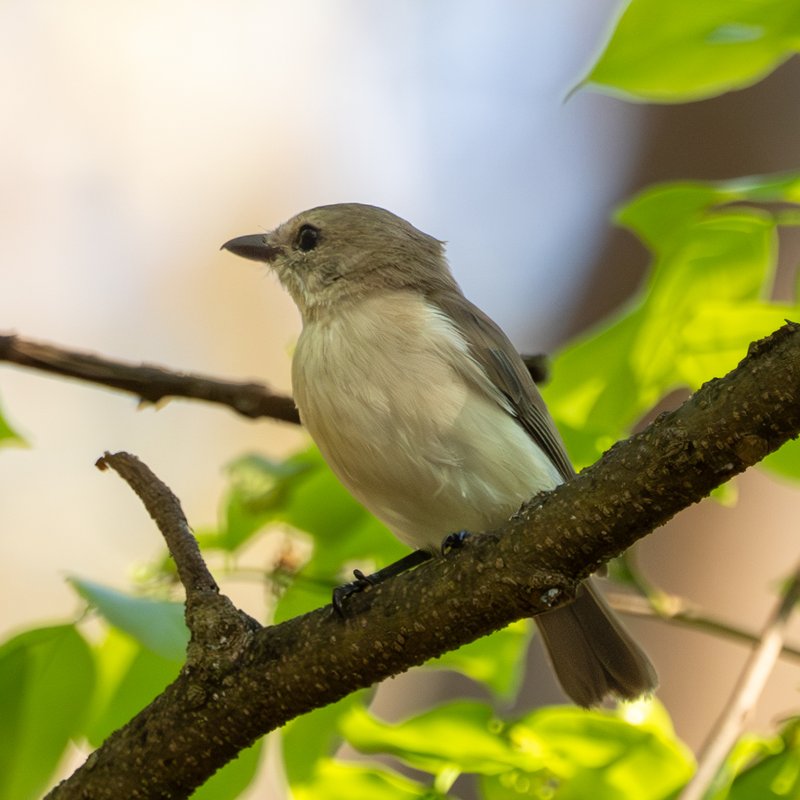
16.5-17.5 cm. Male: crown/upperparts clear grey; strong black mask extends in broad black breastband, separating white throat from rufous underparts. Female: brownish grey above, with touch of olive; throat whitish, breast/underparts washed buff, with plentiful dark vertical streaks. Immature: like female; bill pale at base; upperparts more olive; rufous margins to flight feathers. Young males may breed in imm. plumage. Some adult males are very pale sandy below, with ill-defined masks; some females whitish below, streaked blackish; n. Aust. birds noticeably small. Usually solitary, or in mixed feeding associations in Non-breeding season. In breeding season, both sexes display in typical see-saw, whistler fashion, heads/tails skyward, males conspicuously vocal.
- Similar Species
- White-breasted Whistler, female.
- Voice
- impetuous, spirited spring song; the most 'Australian' of spring sounds: components include a sharp, declamatory 'pllik, chik!' and a ringing, almost explosive 'eee-chong!', uttered singly several times, followed by loud, rippling bursts of melody. Also clear, level, penetrating 'joey-joey-joey', rapidly, monotonously repeated 30+ times. In autumn, both sexes have a beautiful, subdued sub-song.
- Habitat
- open forests/woodlands/scrubs, from coasts to arid, inland mallee, mulga; also in taller denser, humid forests of Gt Divide; exotic pine plantations, etc.
- Breeding
- Sept.-Feb.
- Nest
- fragile cup of twigs, grass; lined with finer material; in upright slender fork, 1-5 m high, in cover; occasionally to 15 m.
- Eggs
- 2-4; variable; pale olive-green/olive-brown; freckled, spotted pale red-brown/dark brown, evenly or in zone at large end.
- Range & Status
- summer breeding migrant in se. Aust. (less so in sw. WA), arriving Aug.-Sept., departing March-April; many moving into inland and to n. Aust. in autumn-winter. Common; widespread. Vagrant Tas., King I. Also e. Indonesia, PNG, New Cal.
- Distribution key to races
- 1. Pachycephala rufiventris minor 2. Pachycephala rufiventris falcata 3. Pachycephala rufiventris pallida 4. Pachycephala rufiventris rufiventris