Welcome Swallow
CommonGBIF 2.8·Dongniao Rarity Index6.48
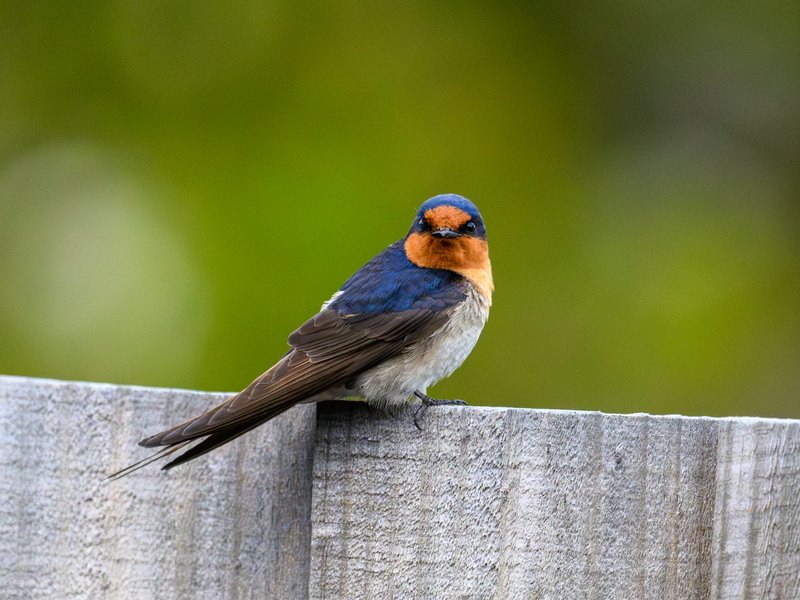
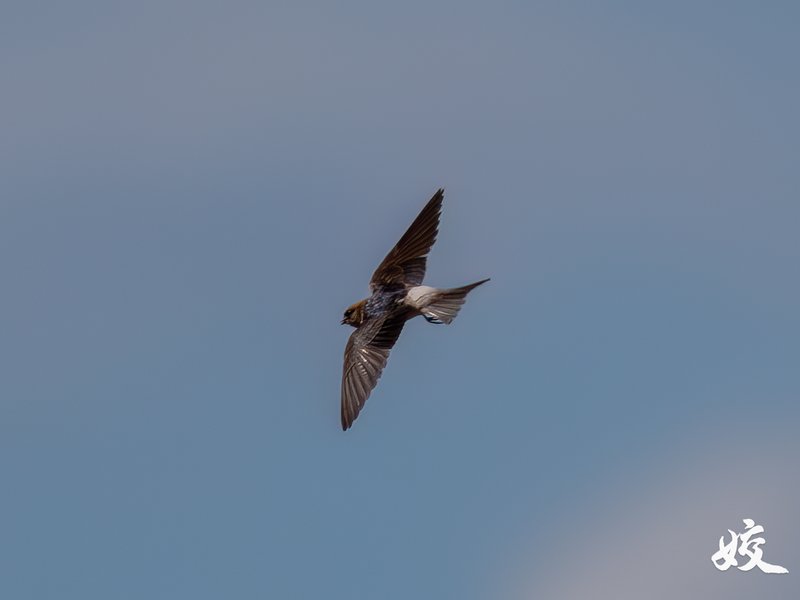
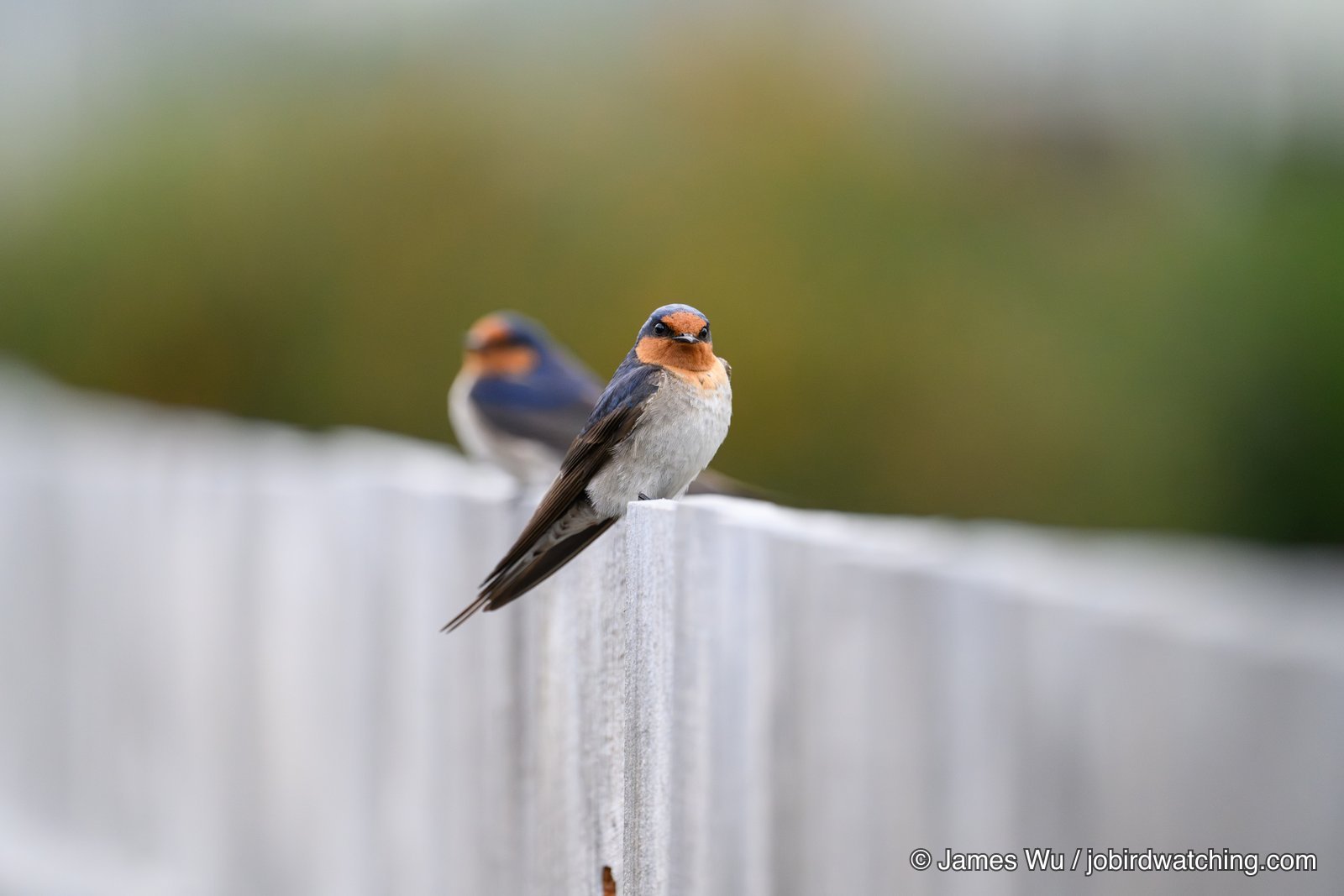
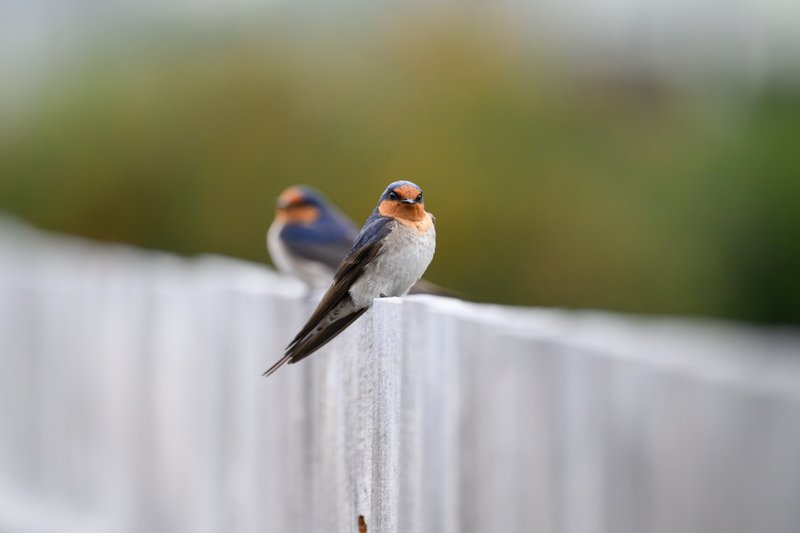
Welcome Swallow (Hirundo neoxena) 迎燕,是雀形目燕科燕属的鸟类。主要分布在澳大利亚和新西兰,包括澳大利亚大陆、塔斯马尼亚及其附近岛屿。拥有长而分叉的尾巴,上体深色,下体浅色,胸部和面部呈锈色。在澳大利亚比家燕少见,后者有较暗的胸带且下体更淡。迎燕常见于开阔地带,如公园、运动场、湿地等,常大量栖息于围栏和电线杆上。
Welcome Swallow
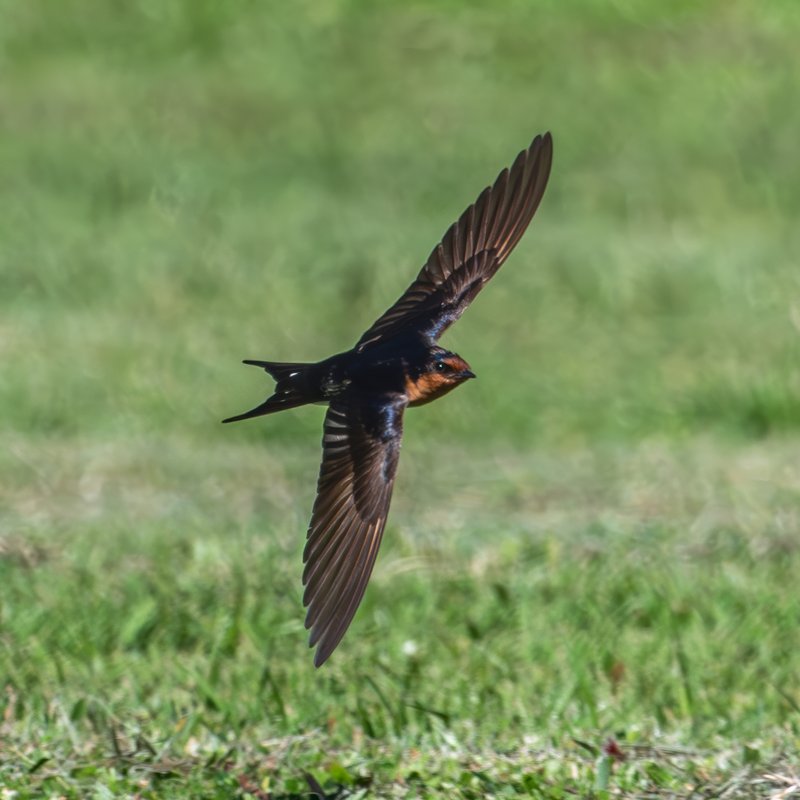
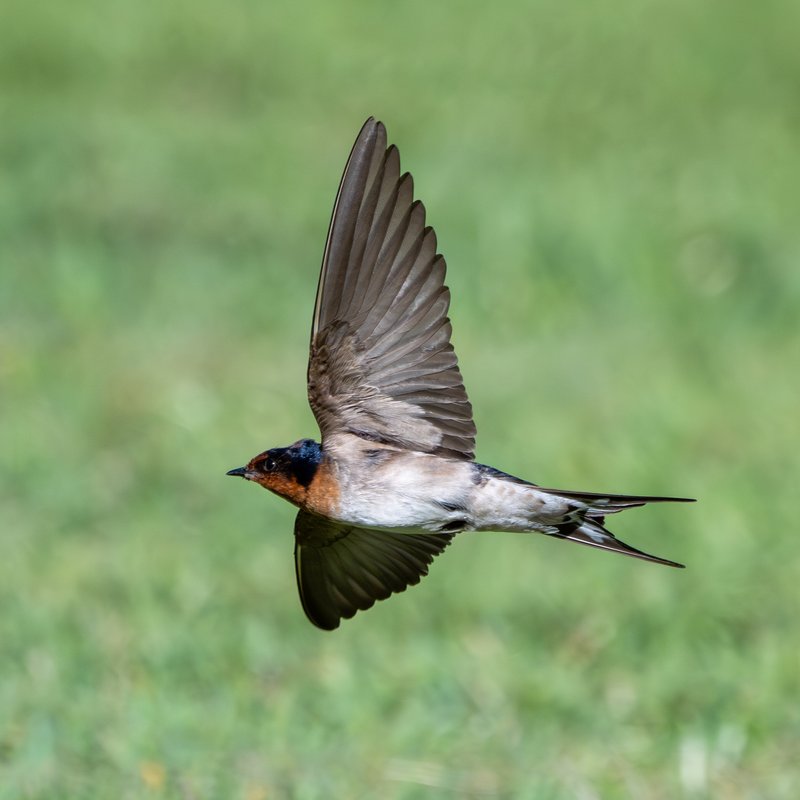
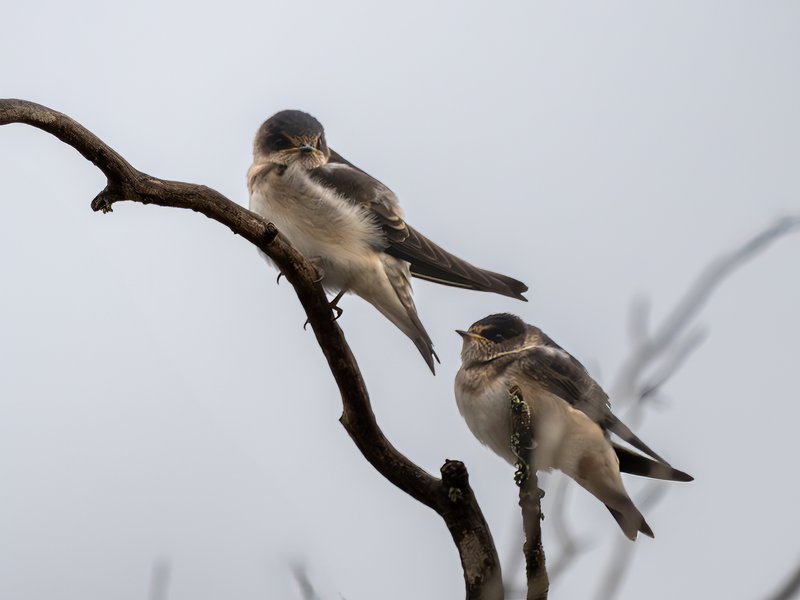
15 cm. Our familiar house swallow: forehead/face/throat dull tan; upperparts glossy blue-black; underparts mid-grey; tail deeply forked, with lacelike white spots on inner tail feathers. Immature: duller, tail shorter. Singles, pairs, large autumn-winter companies: mixes with Tree, Fairy Martins; and with Barn and other swallows in n. Aust. Flight swift, slipping, low and high, wing linings grey; hawks insects over water; many perch together on overhead wires, esp. in autumn. Courting males descend on stiffly downheld, quivering wings.
- Other names
- Australian or House Swallow.
- Similar Species
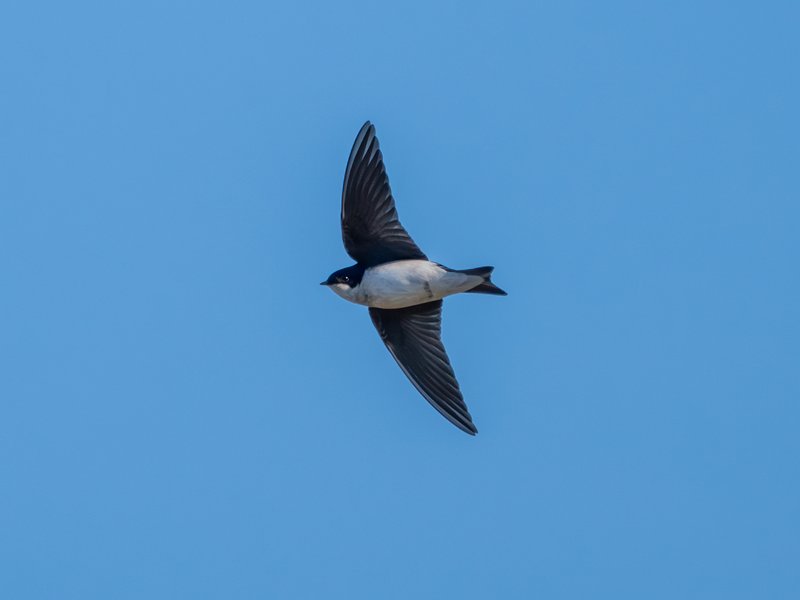
- Barn Swallow. Tree and Fairy Martins have shorter tails, white rumps.
- Voice
- single 'chep', usually in flight; spirited twittering song; rising 'seep, seep, seep'; in alarm, high-pitched, puny 'seeet'.
- Habitat
- open woodlands, grasslands, coasts, rivers, wetlands, urban areas. Roosts or nests in cavernous dead trees, overhung banks, cavities in cliffs, rock shelves. Nowadays often uses built structures: wharfs, bridges; cranes, boats, factories, house eaves, verandahs, garages, deserted buildings.
- Breeding
- Aug.-Dec.
- Nest
- open cup of mud-pellets bound with grass; deeply lined with feathers, fur, hair, grass.
- Eggs
- 2-5; whitish; streaked, spotted red-brown, lavender.
- Range & Status
- mainland Aust. and Tas. Scarce in arid zone, driest deserts, n. NT, Kimberley region (WA). Many birds from Tas. and se. Aust. migrate n. in autumn-winter to e. and ne. Q, Torres Strait islands. Self-introduced to NZ from 1920s. Common. Sedentary; part-migratory.
- Distribution key to races
- 1. Hirundo neoxena neoxena 2. Hirundo neoxena carteri