Common Pheasant
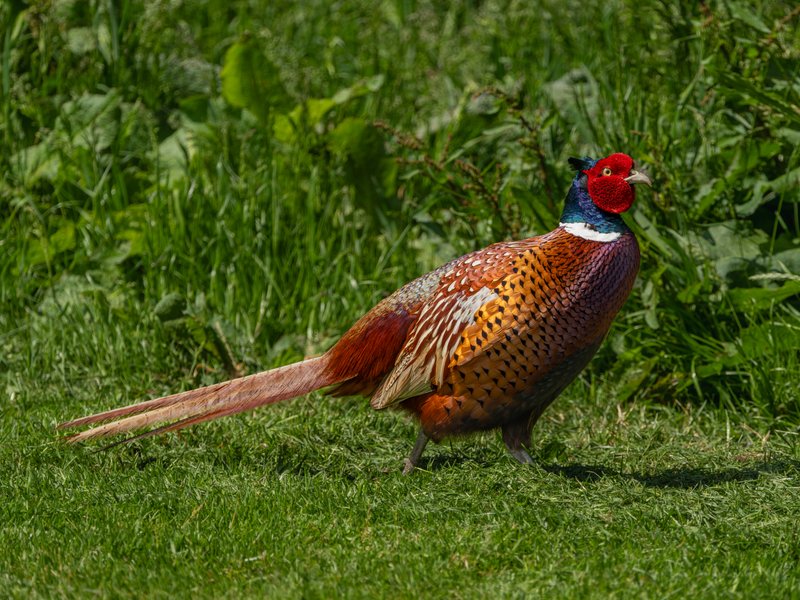
英文名:Common Pheasant(学名:Phasianus colchicus),是鸡形目雉科雉属的鸟类。俗名: 野鸡、山鸡、项圈野鸡、野山鸡、七彩山鸡,又名: 环颈雉,直译: 普通雉。以颈部下方的一圈显著白色环纹命名,足后具革质距,用作防御武器。雉鸡广泛分布于中、低山丘陵的灌丛、竹丛或草丛中,善于奔跑,飞行快速有力。分布于欧亚大陆中部、东部、中国大陆南部、台湾和越南北部。
Common Pheasant
Heron Island Accessible from Gladstone, Heron Island is an important nesting site for sea birds such as Black Noddy and Wedge-tailed Shearwater which can occur here in large numbers. Resident birds such as Pacific Reef Heron and Buff-banded Rail and several migratory waders including Ruddy Turnstone, Lesser Sand Plover, Bar-tailed Godwit and Whimbrel can also be seen here. Other important seabird nesting sites nearby are Wilson Island and Lady Musgrave Islands. Heron Island: 23.442222S 151.914444E Website: http://www.derm.qld.gov.au/
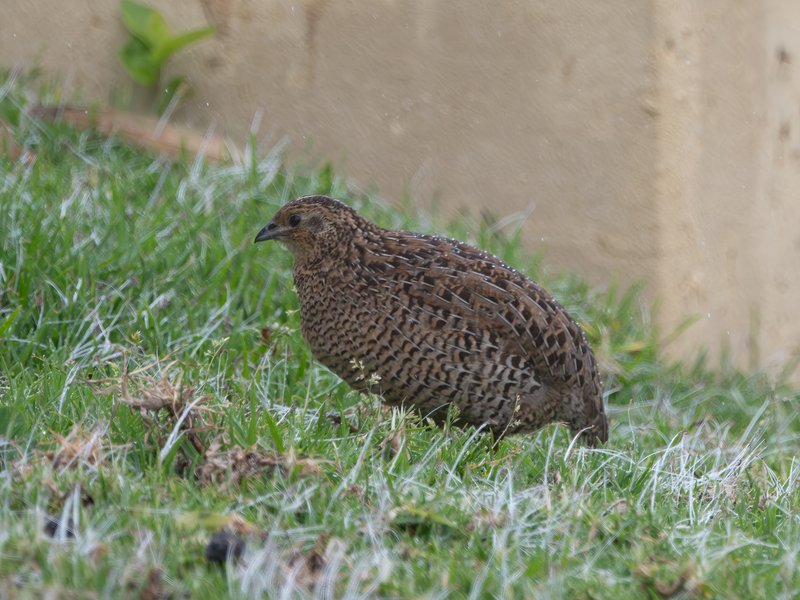
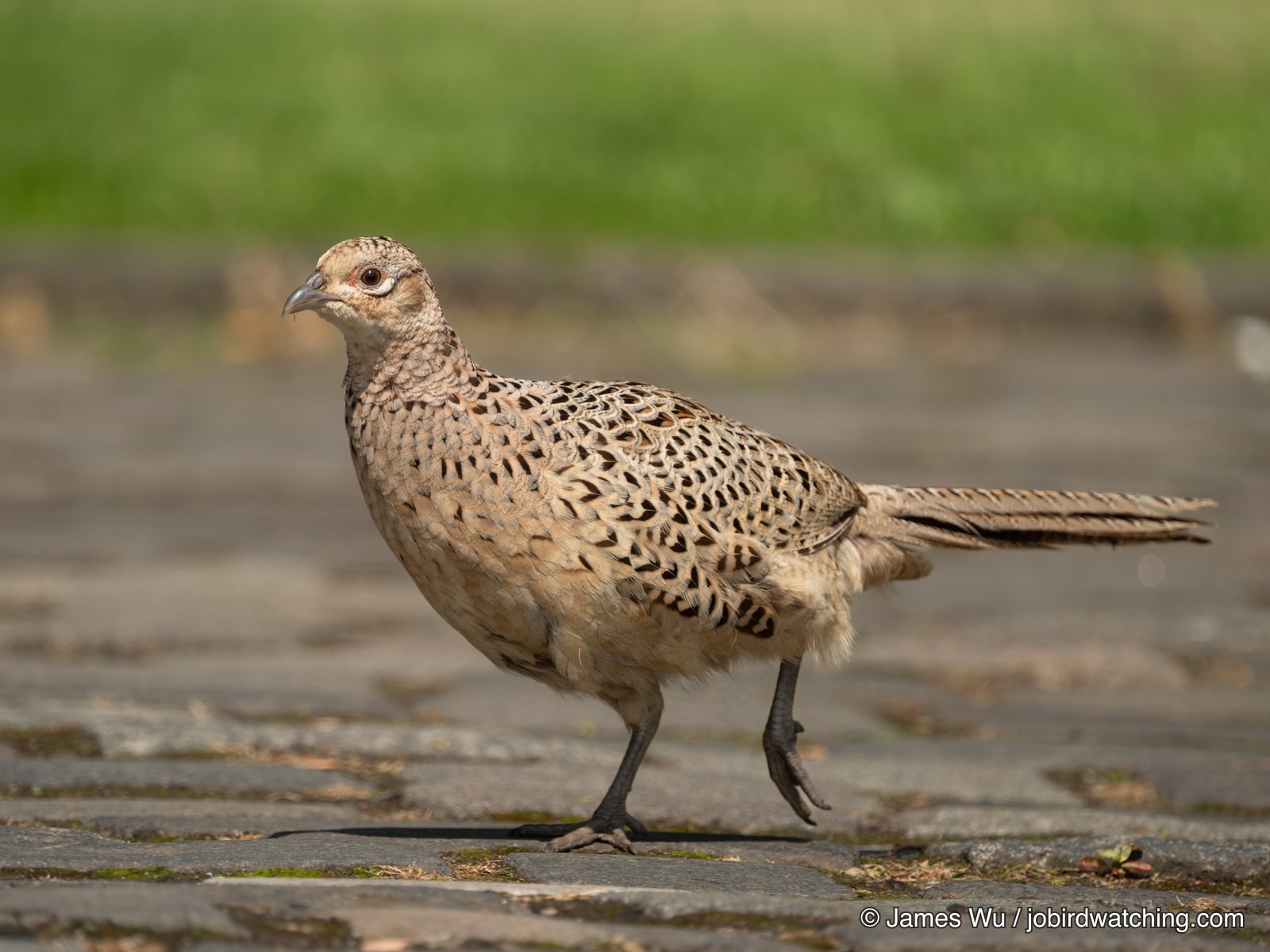
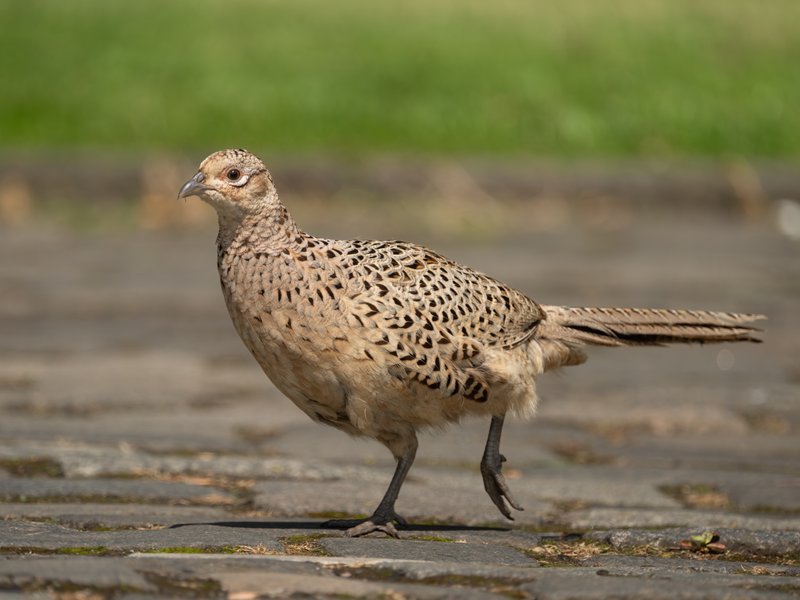
53-90 cm, incl. tail. Male larger. Male: head glossy dark green with 'horns', scarlet wattle and, in some, white neck-ring; body-plumage of rich, burnished chestnut reds; wings rounded; tail long and pointed, crossed with fine black bars. Female: pale brown and rich buff with dark brown and black mottlings and feather centres; flight and tail feathers barred paler; no wattle or 'horns'; tail shorter. Immature: like dull female. Singles to small flocks, parties. Wary, runs; rockets vertically over trees with noisy flapping.
- Other name
- Chinese, Ring-necked or Mongolian Pheasant.
- Similar Species
- Pheasant Coucal.
- Voice
- male: strident crow, 'korrk-kok!'; harsh note when flushed.
- Habitat
- scrubby eucalypt forest and woodlands, coastal scrubs, paperbark thickets, heaths, rank grasslands, pastures, orchards, crops.
- Breeding
- spring-early summer.
- Nest
- scrape, lined with grass, etc., under grass, bracken, ferns.
- Eggs
- 7-15; creamy olive-brown.
- Range & Status
- from Caspian Sea, parts of Iran and Turkey, e. to China, Mongolia, Korea. Introduced (from England) to many locations in Aust.; few were successful. Feral populations survive on Rottnest I. (WA); King I., Bass Strait; Bowen I., Jervis Bay (NSW) and possibly Tas. Sedentary.