Australian Ringneck
Australian Ringneck(学名:Barnardius zonarius),是鹦形目长尾鹦鹉科环颈鹦鹉属的鸟类。是澳大利亚特有的长尾鹦鹉科物种。广泛适应除极端热带和高海拔地区外的所有环境条件,分布于澳大利亚大陆三分之一的地区,除北、东部及塔斯马尼亚州外。其四个亚种各有独特的分布范围,且能相互杂交
Australian Ringneck
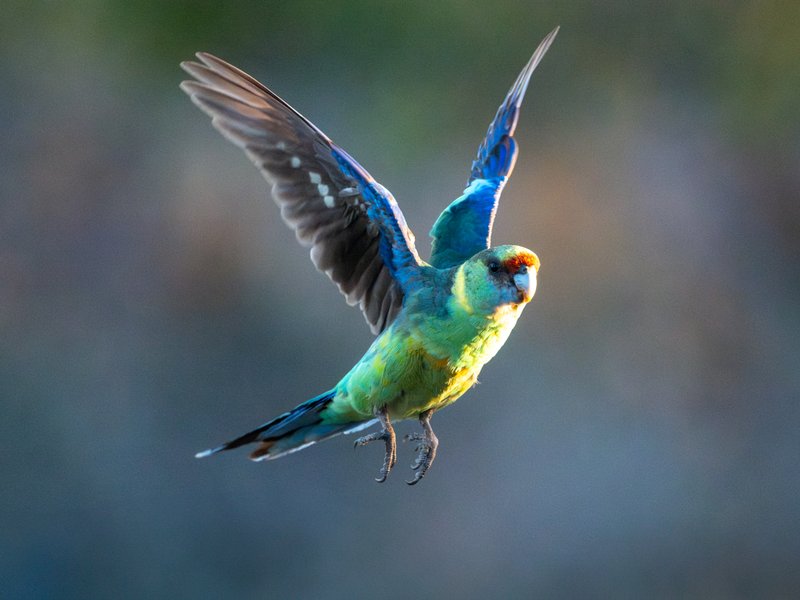
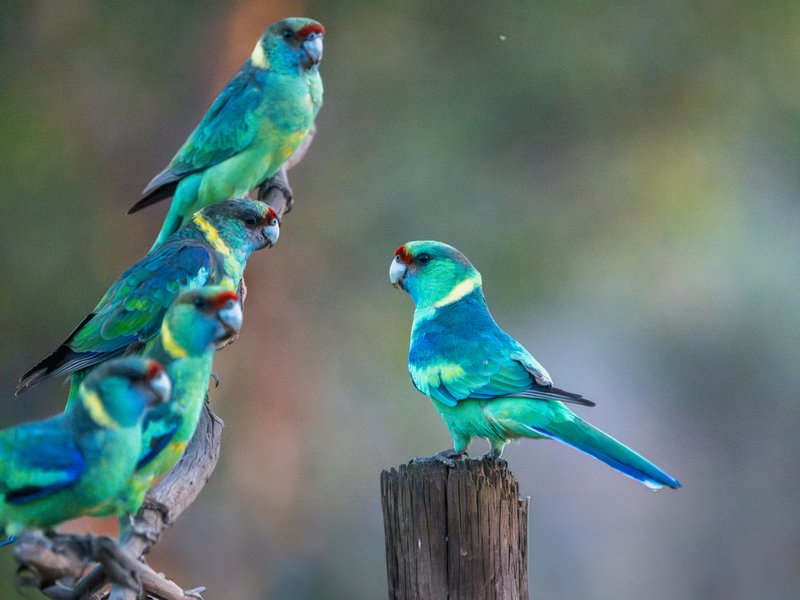
32-36 cm. A widespread complex of interbreeding forms; expect to see birds with intermediate features in regions near the boundaries between races. Pairs, parties; usually near water; feeds on ground and in foliage on seeds, blossoms of eucalypts, acacias, mistletoes, eremophilas, grevilleas. Flies strongly with strident calls, head raised, with marked undulations and exaggerated, deep wingstrokes.
1. Race zonarius, Port Lincoln Parrot or Ringneck.
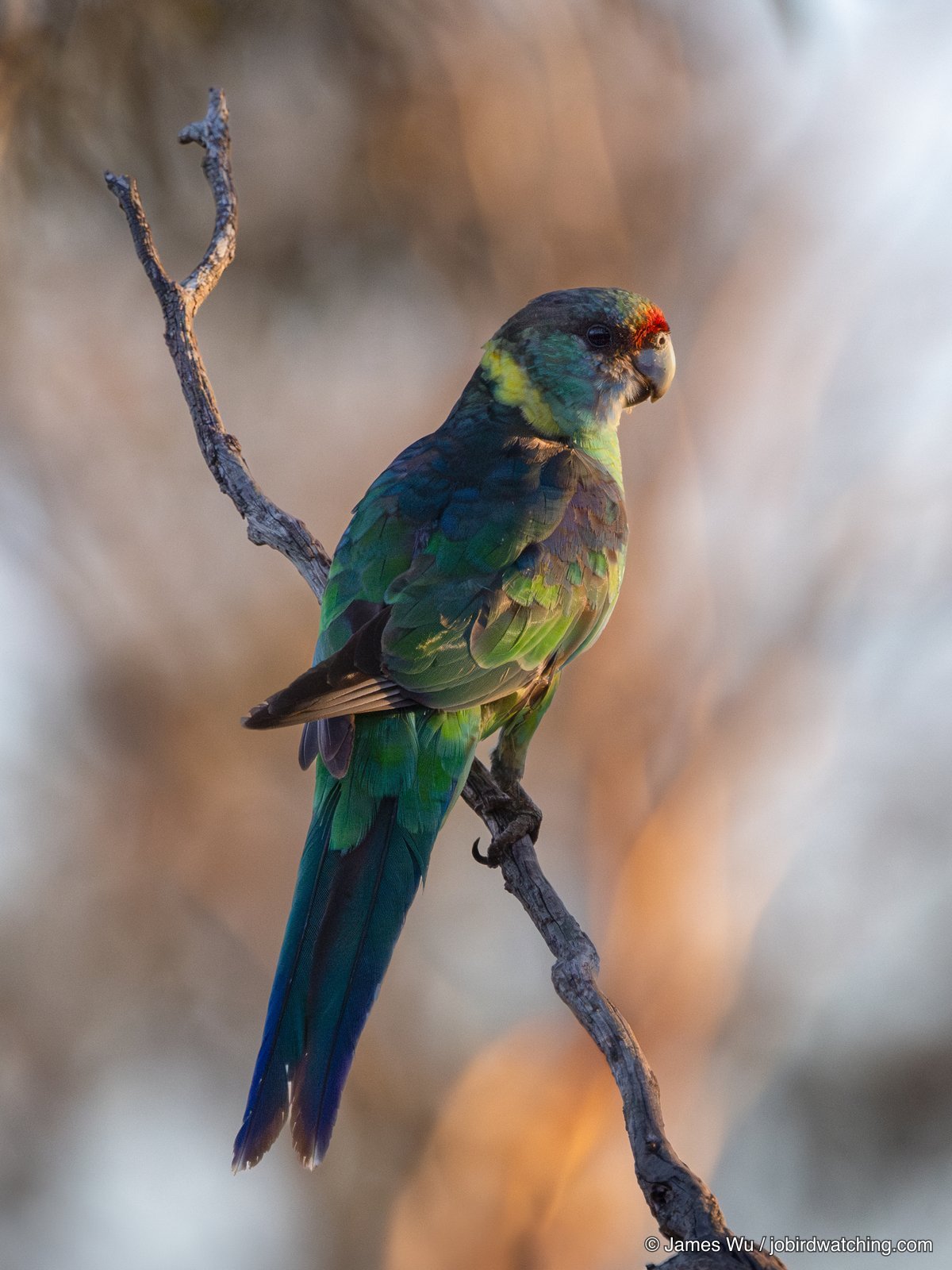
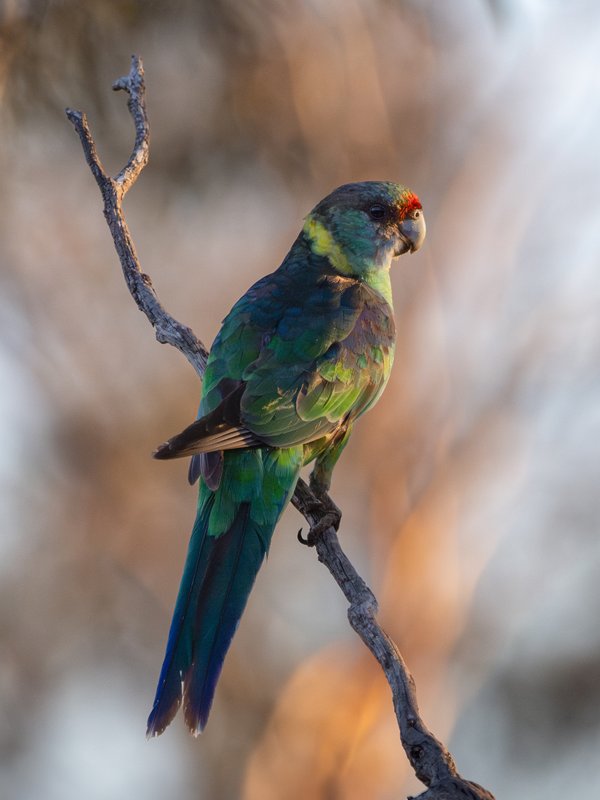
Robust, dark green parrot with blackish head, yellow rear collar and yellow breast. Immature: has browner head, imm. female shows pale wingstripe in flight.
2. Race semitorquatus, Twenty-eight Parrot.
Like nominate race but larger, darker; underparts green; small red mark above bill.
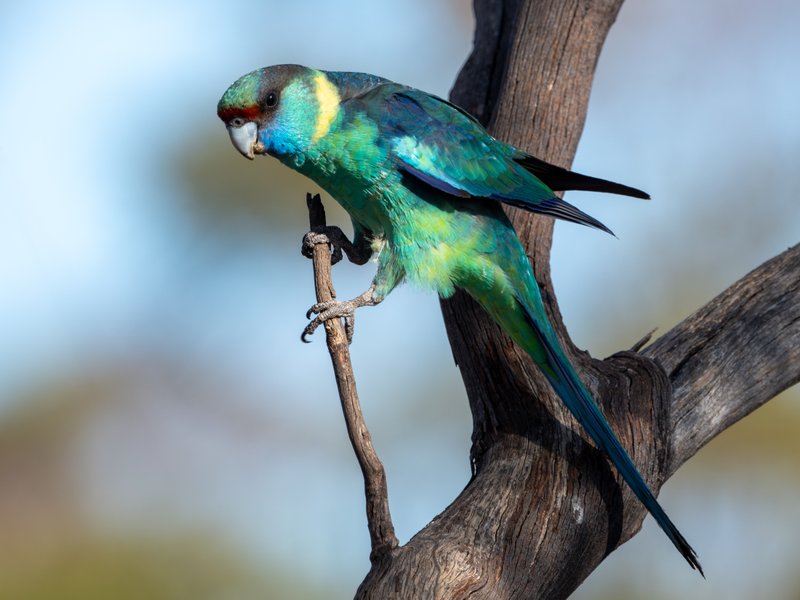
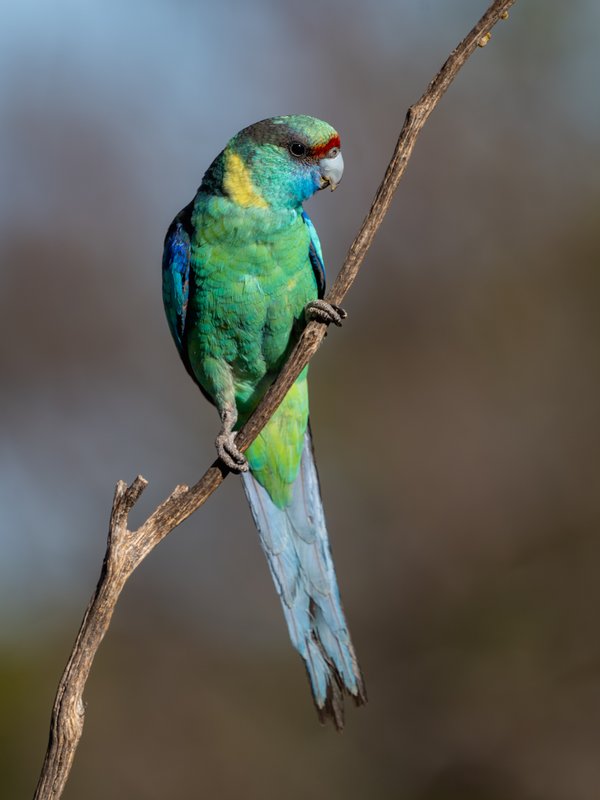
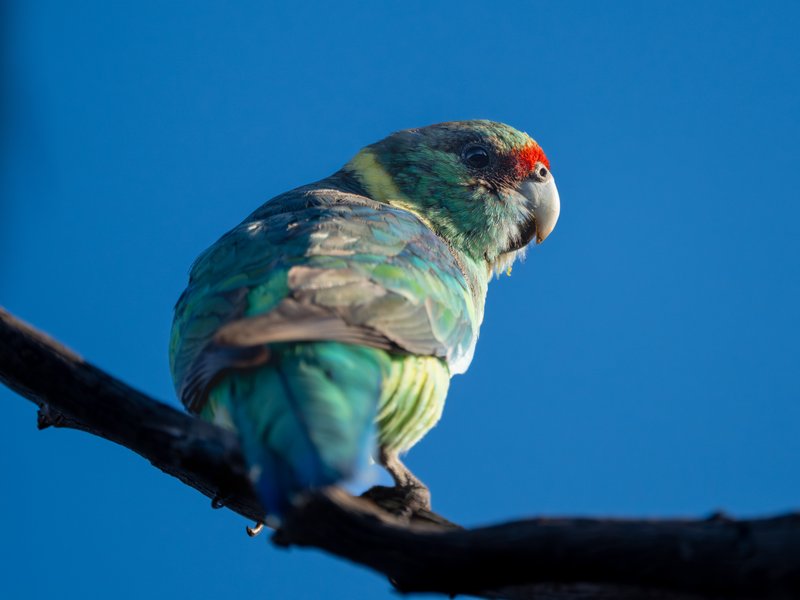
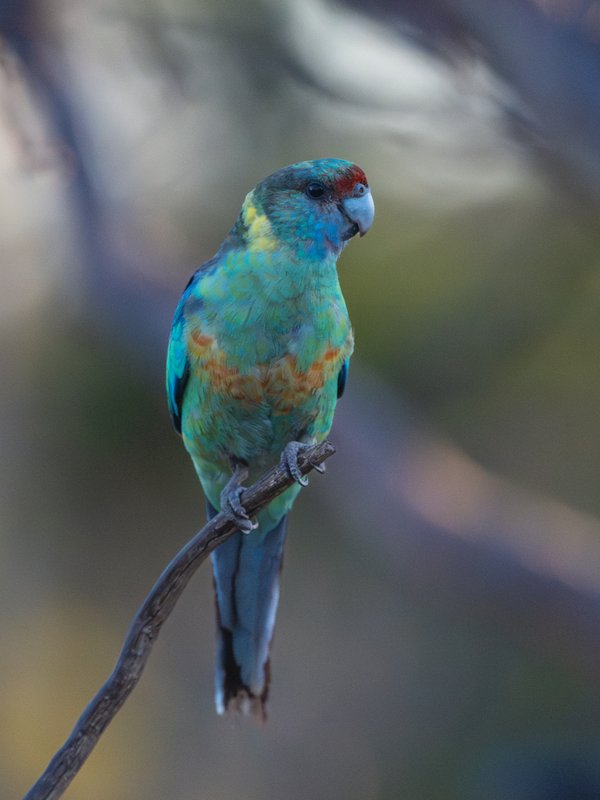
3. Race barnardi Eastern or Mallee Ringneck.
Brilliant blue-green head/body and 'shoulders' contrast with dark blue-grey mantle, especially in flight. Note red forehead, yellow rear collar, orange-yellow breast patch. Female: duller; back grey-green. Immature: brownish above. Eastern-Port Lincoln hybrids in Flinders Ras. (SA) have brownish heads, green backs.
4. Race macgillivrayi Cloncurry Ringneck.
As for Eastern but smaller, paler blue-green upperparts; more yellow in underparts; lacks red in forehead.
- Other name
- Ringneck Parrot.
- Breeding
- Aug.-Dec. in s. Aust.; July-Sept. in n.; Cloncurry Parrot (race macgillivrayi) Feb.-June.
- Nest
- in tree hollow.
- Eggs
- 4-7; white, rounded.
- Voice
- strident, ringing 'put-kleepit-kleepit'; rapid, 'kling-kling-kling-kling', like striking silvery anvil. Alarm note: sharp 'vatch!'.
- Habitat
- forests, woodlands; River Red Gums on watercourses; inland mallee, mulga, desert-oak, spinifex, farmland, roadsides, orchards, parks, gardens.
- Range & Status
- n. and w. from Eyre Pen.-Flinders Ras. (SA), n. to L. Woods (NT), e. to NT-Q border; w. to semi-arid se. Kimberley (WA); extends into w. deserts in good seasons, avoids the higher-rainfall sw. Common. Sedentary with rainfall-induced movements.
- Voice
- distinct triple-note 'twenty-eight'.
- Habitat
- forests and woodlands, farmland, roadsides, gardens.
- Range & Status
- higher rainfall areas of s. WA. Common. Sedentary with local movements.
- Voice
- ringing 'kling-kling-kling' or 'put-kleep-put-kleep-put-kleep'.
- Habitat
- edges, clearings in mallee, eucalypt woodland, cypress pine, mulga, casuarina, River Red Gums on watercourses, farmland, stubbles, gardens.
- Range & Status
- e. inland Aust. from c. Port Augusta (SA), n. through Flinders Ras.-L. Eyre Basin to Windorah-Winton (Q), e. to Blackall-Goondiwindi (Q); Moree-Cowra-Temora (NSW); s. to Kerang-Little Desert-Edenhope (Vic.); Naracoorte-Kingston (SA) but not Mt Lofty Ras. Common. Sedentary.
- Habitat
- mostly in eucalypts along watercourses in dry, stony, hill country.
- Range & Status
- Cloncurry region (nw. Q) from Boulia-Kynuna n. to Gregory Downs, w. to upper Nicholson R. (NT).
- Distribution key to races
- 1. Barnardius zonarius zonarius 2. Barnardius zonarius semitorquatus 3. Barnardius zonarius barnardi 4. Barnardius zonarius macgillivrayi